
Anaemia During Pregnancy: Risks for Mother and Baby
Anaemia during pregnancy is common, but that does not make it insignificant. WHO estimates that about 35.5% of pregnant women aged 15 to 49 were anaemic in 2023. A low haemoglobin result often raises one immediate concern: could this affect the mother or her baby?
The impact depends on more than one blood test. Severity, gestational age, underlying cause, maternal health, and how early the condition is recognised can all influence pregnancy outcomes. Mild anaemia does not automatically mean complications will occur.
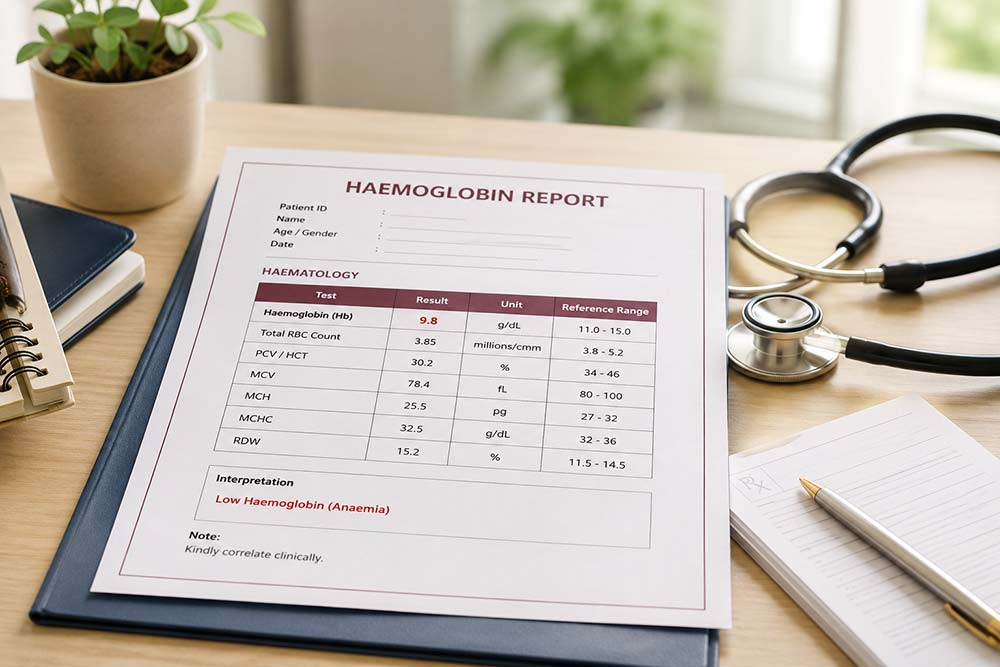 In my clinical practice, I look beyond the haemoglobin number. I assess the woman’s symptoms, nutritional status, pregnancy stage, medical history, and other risk factors before judging the significance of maternal anaemia or planning further care.
In this article, I explore the risks of anaemia for the mother and baby, including foetal growth, labour, delivery, and postpartum recovery. This article is for all mothers who want a healthy diet for women. In addition to a reassuring guidance on understanding low haemoglobin during pregnancy and why timely obstetric care matters.
Also Read:
- Anaemia in Pregnancy: Causes, Symptoms, Diagnosis and Treatment
- High-Risk Pregnancy Tests and Monitoring: What to Expect
- Preventing Anaemia in Pregnancy: Diet, Iron and Healthy Habits
Effects of Anaemia During Pregnancy on Maternal Health
Anaemia reduces the blood’s oxygen-carrying capacity, so I look beyond the haemoglobin number and consider symptoms, severity, gestational age, and the woman’s wider health. These factors help determine how anaemia during pregnancy may affect maternal wellbeing.
Anaemia during pregnancy can affect maternal health by reducing the blood’s oxygen-carrying capacity. Its impact depends on severity, underlying cause, gestational age, symptoms, and overall health. Significant or untreated anaemia may increase fatigue, breathlessness, cardiovascular strain, and reduced tolerance to blood loss during delivery.
Increased Fatigue and Reduced Physical Capacity
One of the earliest effects I commonly see is persistent tiredness. Pregnancy itself can cause fatigue, but anaemia can make that feeling considerably stronger. A woman may experience weakness, dizziness, headaches, breathlessness on exertion, or reduced ability to manage everyday activities.
When anaemia becomes more significant, the heart and circulatory system may need to work harder to maintain adequate oxygen delivery. This can increase physical strain, particularly in women who already have medical or pregnancy-related conditions.
Iron deficiency is a common contributor to maternal anaemia, but the clinical impact depends on more than the cause alone. Severity, symptoms, and the stage of pregnancy remain important when assessing maternal risk.
Severity Matters for Maternal Health
The risks of anaemia are not identical for every woman. Mild anaemia may require monitoring and treatment, while more severe anaemia needs closer assessment because the mother has less physiological reserve to cope with the demands of pregnancy.
This becomes especially important as childbirth approaches. Blood loss is expected during delivery, and low haemoglobin can reduce the mother’s ability to tolerate additional blood loss physiologically.
From a maternal health perspective, I therefore treat anaemia as part of the wider pregnancy picture rather than an isolated laboratory value. Early assessment gives us time to improve haemoglobin levels, monitor response, and prepare more safely for labour and postpartum recovery.
Possible Effects on the Baby and Pregnancy Outcomes
When maternal haemoglobin remains persistently low, I also consider foetal health. Anaemia during pregnancy may affect oxygen and nutrient support, particularly when it is significant, prolonged, or associated with iron deficiency.
Foetal Growth and Preterm Birth
The risks of anaemia for the baby depend on severity, timing, and the mother’s overall health. Significant maternal anaemia has been associated with several pregnancy and newborn outcomes.
- Preterm birth: Maternal anaemia may increase the likelihood of delivery before full term.
- Low birth weight: Reduced maternal iron status may be associated with lower birth weight in some pregnancies.
- Lower iron stores: Babies born to mothers with iron deficiency may begin life with reduced iron reserves.
However, I always explain that an association does not mean every baby of an anaemic mother will experience these problems. Nutrition, placental function, maternal health, and gestational age also influence pregnancy outcomes.
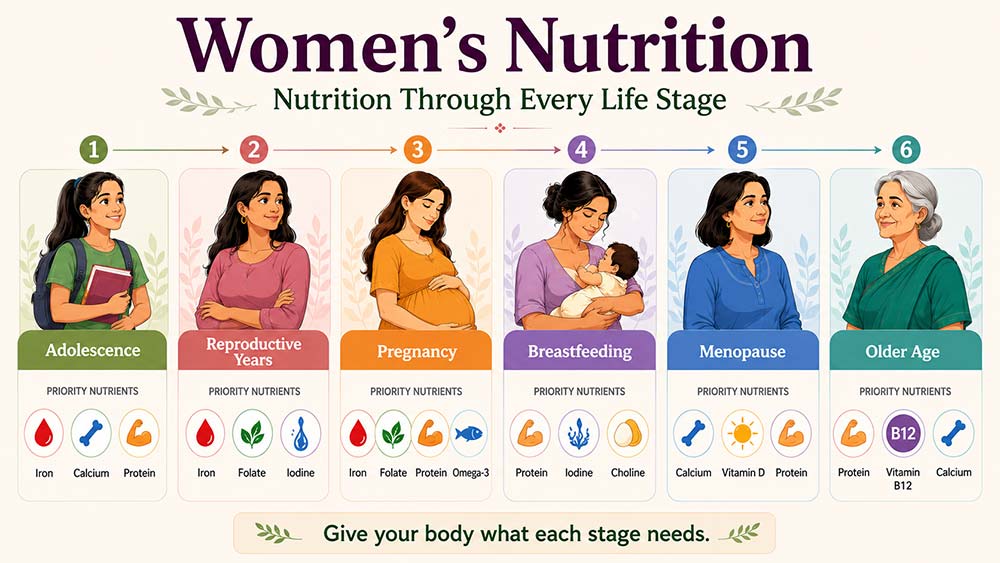 Supporting Healthy Foetal Development
When anaemia is identified, my focus is on supporting maternal health while continuing appropriate foetal monitoring. Timely management helps reduce avoidable risks and supports healthier pregnancy progress.
- Correct nutritional deficiencies: Iron deficiency and other deficiencies should be addressed according to clinical assessment.
- Monitor foetal growth: Regular antenatal evaluation helps assess whether the baby is growing appropriately.
- Review treatment response: Follow-up haemoglobin testing helps determine whether maternal anaemia is improving.
WHO recommends iron and folic acid supplementation during pregnancy as part of antenatal care, with treatment individualised according to clinical circumstances.
The goal is not simply to improve a blood-test result. It is to support maternal health, foetal growth, and healthier pregnancy outcomes through timely monitoring and appropriate obstetric care.
Anaemia During Pregnancy, Labour, Delivery and Postpartum Recovery
As delivery approaches, I pay particular attention to maternal haemoglobin. Labour and delivery involve physical stress and expected blood loss, while anaemia during pregnancy can reduce the physiological reserve available to the mother. Hormonal imbalances may contribute to anaemia by affecting menstrual blood loss, nutrition, and iron requirements.
Preparing for Labour and Delivery
A woman with untreated significant anaemia may have less capacity to tolerate blood loss during childbirth. This is why I prefer not to wait until the final weeks of pregnancy to address low haemoglobin and assess the risks of anaemia before labour begins.
Good antenatal care allows us to identify anaemia early, understand its severity, and monitor treatment response. This preparation becomes particularly important when other medical or pregnancy-related factors may also influence delivery, maternal wellbeing, or the need for closer monitoring during labour.
How Can Anaemia Affect Postpartum Recovery?
Anaemia during pregnancy can continue to affect a woman after childbirth. Entering labour with low haemoglobin, followed by additional blood loss during delivery, may increase postpartum fatigue, weakness, slower physical recovery, and the need for closer medical monitoring.
Good obstetric care does not mean expecting complications. It means preparing thoughtfully for labour, delivery, and recovery while supporting adequate maternal reserves and the best possible outcome for both mother and baby.
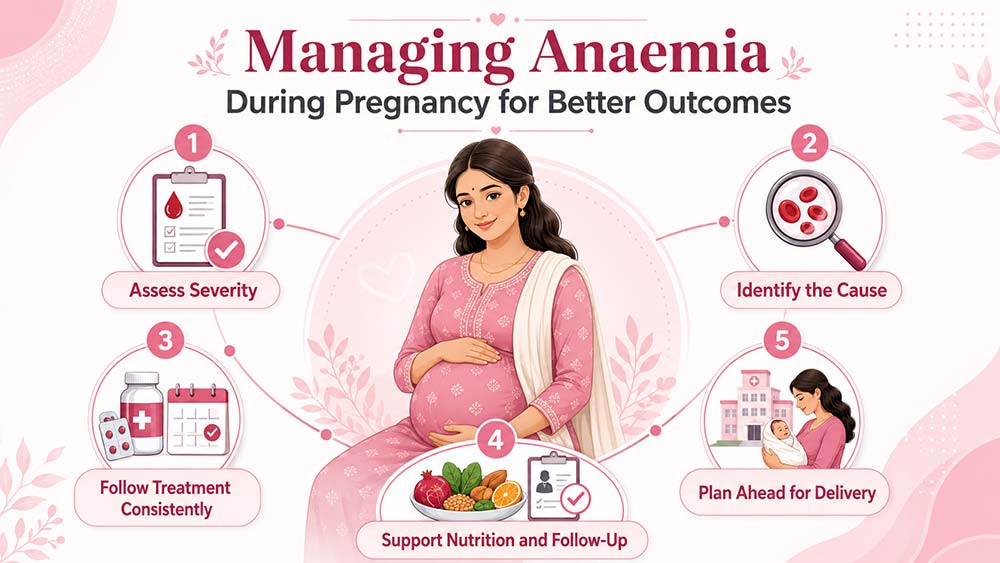
Managing Anaemia During Pregnancy for Better Outcomes
I encourage women not to panic after a low haemoglobin result. The right approach is to understand its severity, identify the cause, and manage anaemia during pregnancy with regular obstetric guidance.
- Assess severity: Haemoglobin should be interpreted according to pregnancy stage, symptoms, and the woman’s overall clinical condition.
- Identify the cause: Iron deficiency is common, but other nutritional deficiencies, blood loss, infections, or medical conditions may also contribute.
- Follow treatment consistently: Treatment should match the cause and severity, with response monitored rather than assuming improvement.
- Support nutrition and follow-up: A balanced diet supports recovery, while antenatal visits help track haemoglobin and treatment response.
- Plan ahead for delivery: Improving maternal anaemia before labour supports better physiological reserve and safer delivery planning.
In my practice, the most useful approach is neither to ignore anaemia nor become alarmed by it. Appropriate evaluation, timely treatment, and regular monitoring can turn a common pregnancy concern into a manageable clinical issue.
Also Read:
Conclusion
Anaemia during pregnancy can affect maternal wellbeing, foetal growth, delivery, and recovery, especially when it is significant or remains untreated.
A low haemoglobin result is not a prediction of a poor outcome. It is a clinical signal that deserves timely assessment, appropriate treatment, and regular antenatal monitoring.
With the right care, maternal anaemia can often be managed effectively, helping women move through pregnancy with greater confidence and better preparation for delivery.
I encourage women to discuss low haemoglobin with me early, so we can assess the cause and protect their pregnancy confidently.
Our Digital Imprints:
Dr. Madhu Goel
Senior Consultant Obstetrician and Gynaecologist
Director, Fortis La Femme
I am passionate about women’s health and believe that informed, compassionate care empowers women to make confident choices. With experience in high-risk pregnancies, infertility, and gynaecological care, my focus remains on guiding patients with clarity, empathy, and trust.
Stay informed with Health Hub, my newsletter dedicated to women’s health and wellness, where I share evidence-based insights and practical guidance.
You can also connect with me on Instagram | Facebook | LinkedInfor regular updates on women’s health.