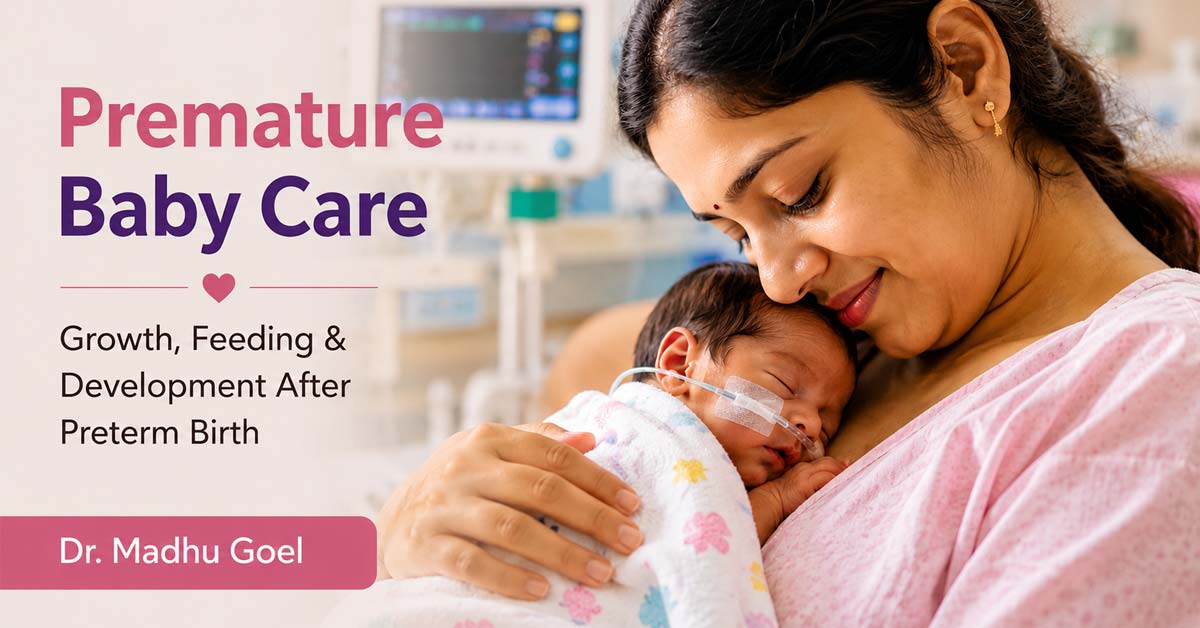

Premature Baby Care: Growth, Feeding and Development After Preterm Birth
One of the most common concerns my patients share after a preterm birth is whether their baby will grow normally and receive the right premature baby care after leaving the hospital. The journey through specialised newborn care can feel overwhelming during those first few weeks.
The good news is that advances in neonatal medicine have transformed outcomes for babies born early. Modern NICU care, specialised feeding support, and better monitoring systems now help many premature babies grow stronger and achieve healthy developmental milestones over time.
 In my practice, I have seen that gestational age, birth weight, and timely neonatal support remain the three most important factors influencing recovery. Every additional day in the womb supports lung maturity, while expert care after birth plays a vital role in long-term wellbeing.
This article explains feeding premature babies, common health concerns, preterm baby development, neonatal follow-up, and the practical steps that help families navigate life after an early delivery with greater confidence.
Also Read:
- Preterm Birth: Causes, Risk Factors and Prevention
- India’s Falling Fertility Rate: A Doctor’s Perspective on NFHS-6
Premature Baby Care After a Preterm Birth
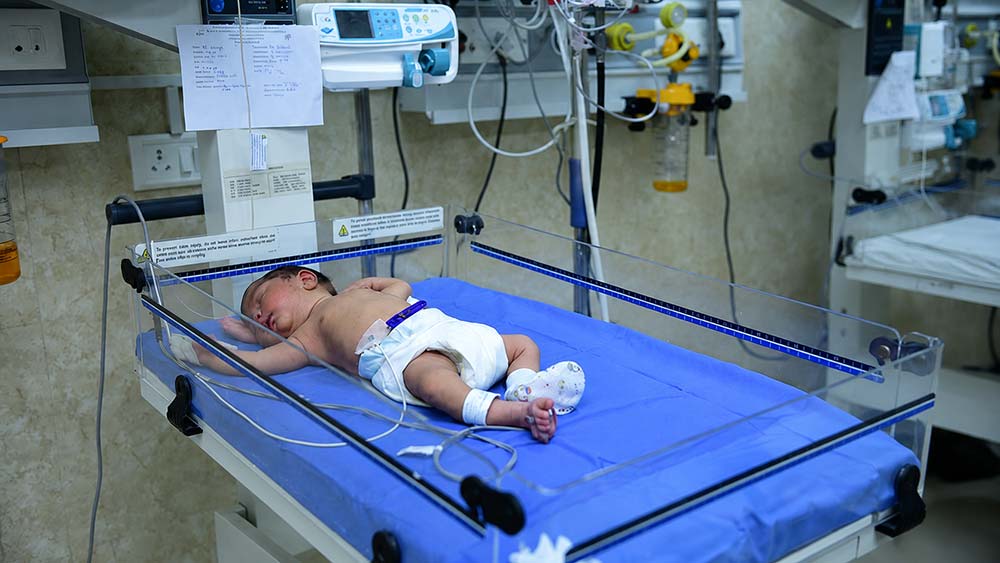
Babies born before full term often need specialised medical care because important organs continue to mature during the final weeks of pregnancy. Gestational age largely determines the type and intensity of NICU support a baby may require.
Premature baby care focuses on helping babies grow stronger through medical monitoring, feeding support, temperature regulation, and regular follow-up during the first few months of life.
Gestational Age and Early Newborn Recovery
The number of weeks a baby spends in the womb directly influences organ maturity, recovery needs, and the expected duration of neonatal care after birth.
Doctors classify babies as extremely preterm, very preterm, moderate preterm, and late preterm. Babies born earlier often require longer NICU stays because their lungs, brain, and digestive system need additional support. In practice, we know that every extra day in the womb contributes significantly to better outcomes and a smoother recovery after birth.
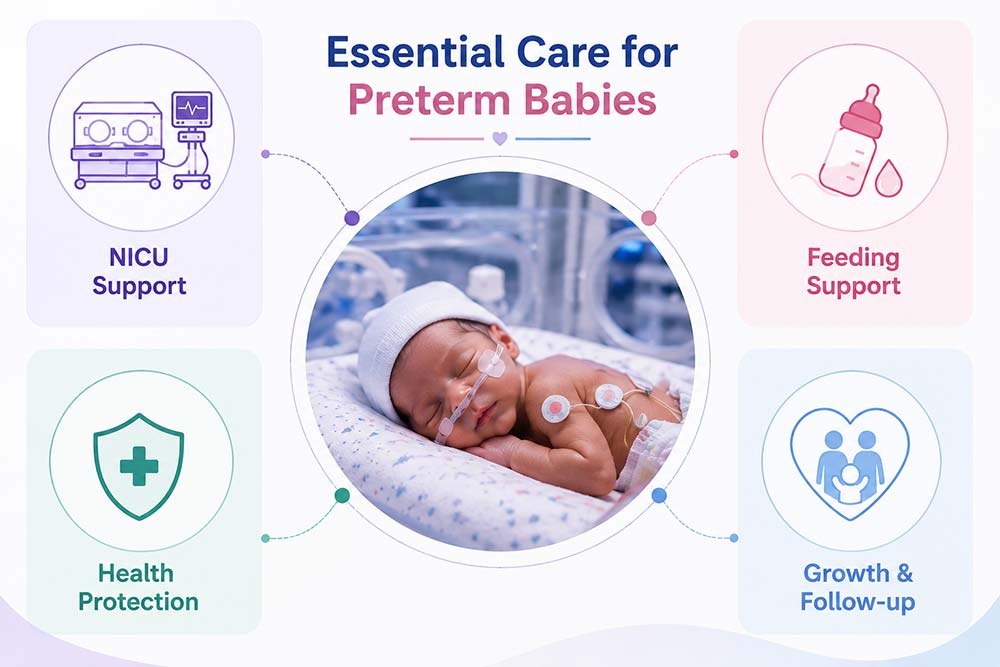 Birth Weight, Lung Maturity, and Early Recovery
Birth weight provides valuable information about a baby’s immediate needs and helps doctors plan appropriate feeding and medical support during the first few weeks.
Low birth weight can affect breathing, feeding readiness, and temperature control. Better lung maturity often allows babies to transition more easily to independent breathing and oral feeds.
Feeding and Nutrition Support for Premature Babies
Nutrition plays a vital role in premature baby care because babies born early often have immature feeding reflexes and higher nutritional needs during recovery and growth.
Breastfeeding and Expressed Breast Milk Support
Breast milk remains the best source of nutrition for premature babies and offers important health benefits during the early weeks of life, both inside and outside the NICU.
- Breast milk benefits: Provides essential nutrients, antibodies, and immune protection that support healthy growth and reduce infection risks.
- Expressed milk in the NICU: Helps mothers continue providing breast milk when babies are not yet ready for direct breastfeeding.
- Maternal nutrition: A balanced diet and adequate hydration support better milk production and aid newborn recovery after preterm birth.
Additional Feeding Support and Growth Monitoring
Some premature babies require temporary feeding assistance until their sucking and swallowing reflexes become strong enough for regular oral feeding.
- Tube feeding support: Ensures babies receive adequate nutrition while their feeding abilities continue to mature in the NICU.
- Weight gain monitoring: Regular assessments help doctors evaluate growth patterns and make necessary nutritional adjustments during recovery.
- Transition to oral feeding: Feeding plans gradually change as babies gain strength and develop better coordination for breastfeeding or bottle feeding.
Consistent nutritional support during infancy strengthens immunity, promotes neurological development, and helps premature babies achieve healthier growth outcomes in the months ahead.
Common Health Concerns and Long-Term Development
Premature babies may face certain health challenges during the early weeks of life, but timely treatment and regular monitoring help many children recover well and achieve healthy development.
 Medical Challenges Doctors Monitor in Premature Babies
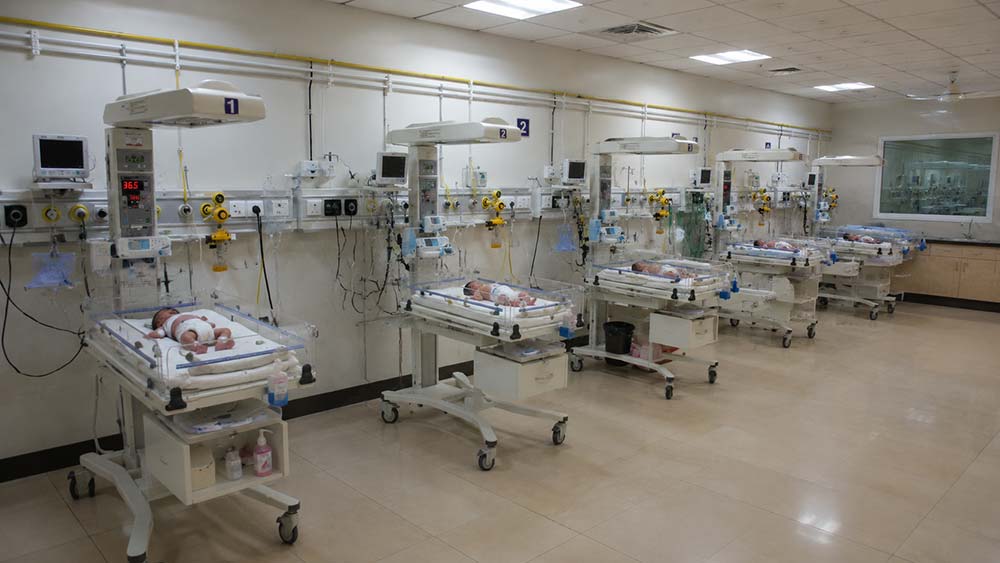
The neonatal team closely monitors premature babies for conditions related to immature organ systems and provides specialised care to support healthy growth and recovery.
Respiratory distress is one of the most common concerns because the lungs may not be fully developed at birth. Some babies require oxygen therapy or ventilator support during the initial days. Doctors also watch for infections, jaundice, and metabolic issues that can affect recovery. Conditions such as patent ductus arteriosus (PDA) and necrotising enterocolitis (NEC) require prompt medical attention and careful monitoring. Regular vision and hearing assessments are equally important because early detection helps address developmental concerns at the right time.
Can Premature Babies Grow Normally?
Many premature babies achieve healthy growth and developmental milestones with proper NICU care, good nutrition, and regular neonatal follow-up. Early intervention, parental support, and timely medical guidance play an important role in improving long-term outcomes.
With advances in neonatal medicine and supportive family care, many children born prematurely continue to lead healthy, active, and fulfilling lives.
Supporting Your Baby at Home After a Preterm Birth
Bringing a premature baby home is a joyful milestone, but regular follow-up, good nutrition, and family support remain essential to help babies thrive during the early years of life.
Key Steps That Support Healthy Development
- Regular follow-up appointments: Help doctors monitor growth, feeding patterns, and developmental milestones during the first two years.
- Kangaroo mother care: Skin-to-skin contact strengthens bonding, supports temperature regulation, and encourages healthy weight gain.
- Corrected age milestones: Premature babies often reach developmental milestones according to their adjusted age rather than their actual birth date.
- Timely vaccinations: Routine immunisation protects babies from preventable infections and supports long-term health.
- Early intervention services: Developmental therapies and specialist support help address concerns before they become more significant.
- Parental emotional wellbeing: Informed and confident mothers create a nurturing environment that supports healthy physical and emotional development.
Regular follow-up, good nutrition, and informed parenting help many premature babies grow confidently and achieve healthy developmental milestones throughout childhood.
Also Read:
Conclusion
Advances in neonatal medicine, specialised newborn care, and better monitoring have significantly improved survival and long-term outcomes for babies born before full term. Many premature babies today go on to lead healthy and active lives.
Good nutrition, regular developmental assessments, timely vaccinations, and ongoing medical follow-up remain essential during the first few years. Early intervention and family support help children achieve important physical, emotional, and developmental milestones.
If your baby was born prematurely or you have concerns about your child’s growth and development, book a consultation with Dr. Madhu Goel for personalised guidance, expert follow-up care, and compassionate support at every stage of your parenting journey.
Our Digital Imprints:
Dr. Madhu Goel
Senior Consultant Obstetrician and Gynaecologist
Director, Fortis La Femme
I am passionate about women’s health and believe that informed, compassionate care empowers women to make confident choices. With experience in high-risk pregnancies, infertility, and gynaecological care, my focus remains on guiding patients with clarity, empathy, and trust.
Stay informed with Health Hub, my newsletter dedicated to women’s health and wellness, where I share evidence-based insights and practical guidance.
You can also connect with me on Instagram | Facebook | LinkedInfor regular updates on women’s health.