
High-Risk Pregnancy: Causes, Risk Factors, and Safe Pregnancy Care
Hearing the words “high-risk pregnancy” can be unsettling. Many women hear the term and immediately fear the worst. In reality, this medical classification does not predict complications. It simply tells us that a mother, her baby, or both may need closer monitoring and more personalised care.
In my years of practice as an obstetrician and gynaecologist, I have managed many complex and high-risk pregnancies. I have seen how early identification of risks, personalised monitoring, and timely medical intervention can help women navigate pregnancy with greater confidence and achieve healthy outcomes.
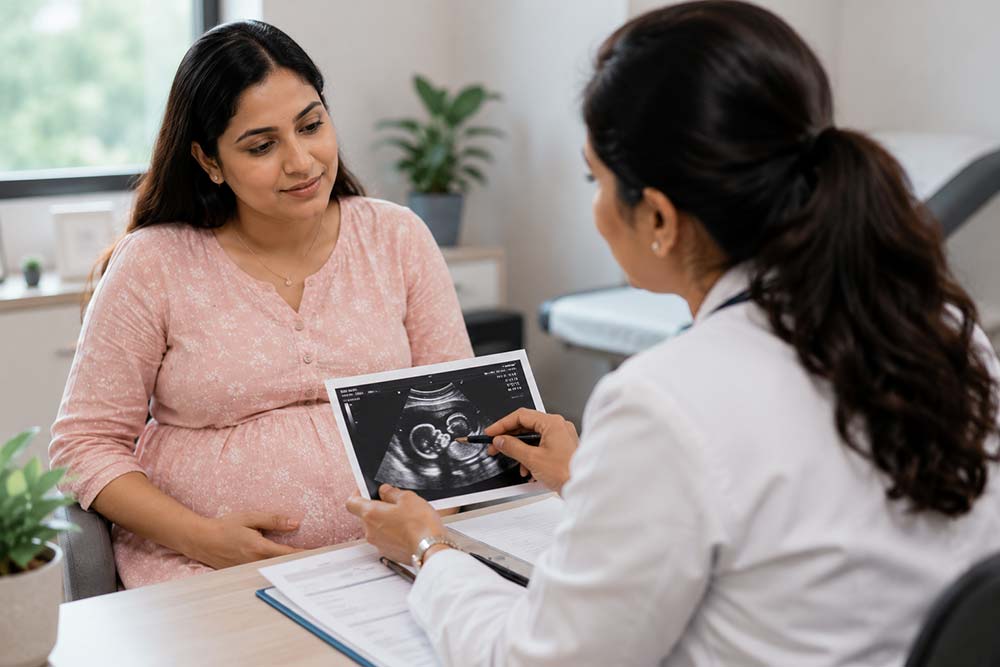 A pregnancy may be considered high-risk because of maternal age, pre-existing medical conditions, previous pregnancy complications, or health concerns that develop during the current pregnancy. Each situation is different, which is why care must be individualised.
This article explains what a high-risk pregnancy means, the common pregnancy risk factors, and how specialised pregnancy care can support safer outcomes for both mother and baby.
Also Read:
- Preterm Birth: Causes, Risk Factors and Prevention
- India’s Falling Fertility Rate: A Doctor’s Perspective on NFHS-6
What Does a High-Risk Pregnancy Really Mean?
In obstetrics, a high-risk pregnancy is a clinical classification that tells us a woman, her baby, or both may need closer observation, specialised investigations, and more personalised care. Identifying potential risks early allows us to plan appropriate monitoring and respond promptly if concerns arise.
A high-risk pregnancy does not mean complications will definitely occur. It simply indicates an increased possibility of certain maternal or foetal concerns that require closer attention. With timely monitoring and safe pregnancy care, many women with high-risk pregnancies can have healthy outcomes.
The Role of Extra Monitoring in Pregnancy Care
Extra monitoring is recommended according to the specific risks present in each pregnancy. This may involve more frequent antenatal visits, additional investigations, closer foetal monitoring, or consultation with other specialists when required.
In my practice, I have seen that no two high-risk pregnancies are exactly alike. A woman with diabetes may need a very different care plan from someone with hypertension, a previous pregnancy loss, or a multiple pregnancy. This is why I believe pregnancy care must always be individualised rather than based on a standard approach.
Understanding Risk Without Expecting Complications
One of the first concerns I hear from women is, “Does high-risk mean something will go wrong?” My answer is simple: increased risk is not the same as a poor outcome. It tells us where closer attention is needed so that we can identify concerns early and make informed decisions at the right time.
Over the years, I have seen many women with complex pregnancies achieve healthy outcomes with regular follow-up, appropriate medical care, and timely intervention. Understanding what a high-risk pregnancy really means can replace uncertainty with clarity and help women approach pregnancy with greater confidence.
Common Causes and Risk Factors for High-Risk Pregnancy
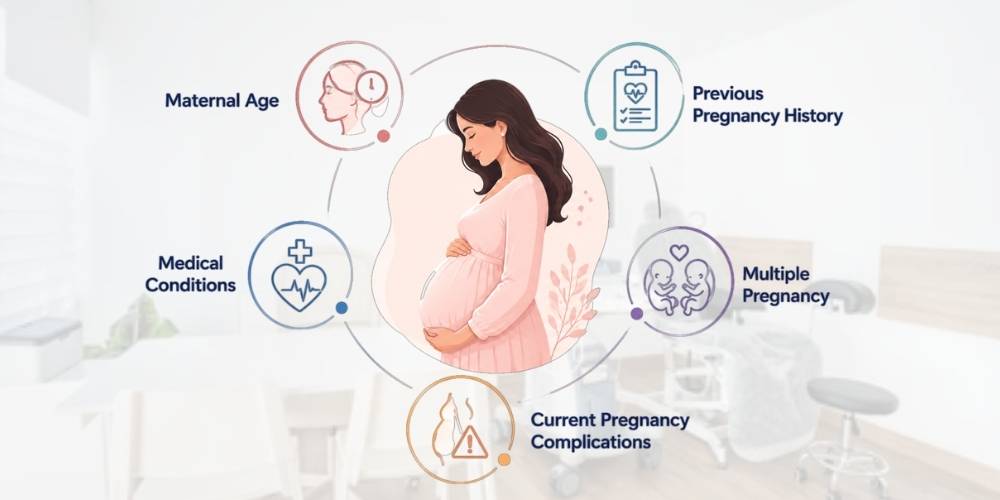
There are various medical, obstetric, and lifestyle factors that can increase the risks associated with pregnancy. Identifying these pregnancy risk factors early is key to creating an effective and personalised care plan
Risk Factors Present Before Pregnancy
Certain conditions present before conception can influence pregnancy risk and may require closer monitoring, early medical planning, and individualised care.
- Maternal Age: Pregnancies in very young mothers or those over the age of 35 typically require closer clinical observation.
- Weight-Related Concerns: Being underweight, overweight, or having obesity can increase the likelihood of complications during gestation and delivery.
- Pre-existing Illnesses: Chronic conditions such as diabetes, hypertension, thyroid disease, and kidney disease significantly increase maternal and foetal risks.
- Previous Pregnancy History: A history of recurrent miscarriage, preterm birth, or previous delivery complications may require specialised monitoring in future pregnancies.
 Conditions That Develop During Pregnancy
Even if a pregnancy starts without known risks, new conditions can emerge that require high-risk pregnancy care:
- Multiple Pregnancy: Carrying twins or triplets requires more frequent foetal monitoring.
- Placenta Previa: A low-lying placenta increases risks and requires precise delivery planning.
- Rh Incompatibility: When clinically relevant, careful monitoring and preventive treatment can help protect the baby.
- Pregnancy Complications: Gestational diabetes, significant anaemia, or pregnancy-induced hypertension may require closer monitoring and individualised medical management.
Recognising these pregnancy risk factors early allows us to plan timely investigations and individualised care according to the specific needs of the mother and baby.
Managing a High-Risk Pregnancy Through Expert Care
Managing a high-risk pregnancy requires a personalised approach built around early risk identification, timely diagnosis, and continuous monitoring. The aim is to recognise potential concerns early and adapt the care plan according to the changing needs of the mother and baby.
Personalised Monitoring Throughout Pregnancy
In my practice, I have found that effective high-risk pregnancy care begins with understanding each woman’s individual medical and obstetric history. For some women, planning starts before conception with the management of existing conditions such as diabetes, hypertension, or thyroid disorders. For others, closer care becomes necessary when a concern develops during pregnancy.
Depending on the individual risk profile, care may involve more frequent antenatal visits, specialised investigations, foetal monitoring, or consultation with other specialists. I believe every care plan must be individualised because the needs of a woman with a previous pregnancy loss may be very different from those of someone carrying twins or managing a pre-existing medical condition.
Can a High-Risk Pregnancy Have a Healthy Outcome?
Yes. Many women with a high-risk pregnancy can have healthy outcomes with appropriate medical care. In my experience, early identification of pregnancy risk factors, consistent antenatal monitoring, and timely medical intervention can make a meaningful difference to the health of both mother and baby.
With personalised high-risk pregnancy care, regular antenatal monitoring, and informed decision-making, many potential concerns can be identified and managed at the right time. The goal is always clear: to provide the safest possible care for both mother and baby throughout the pregnancy.
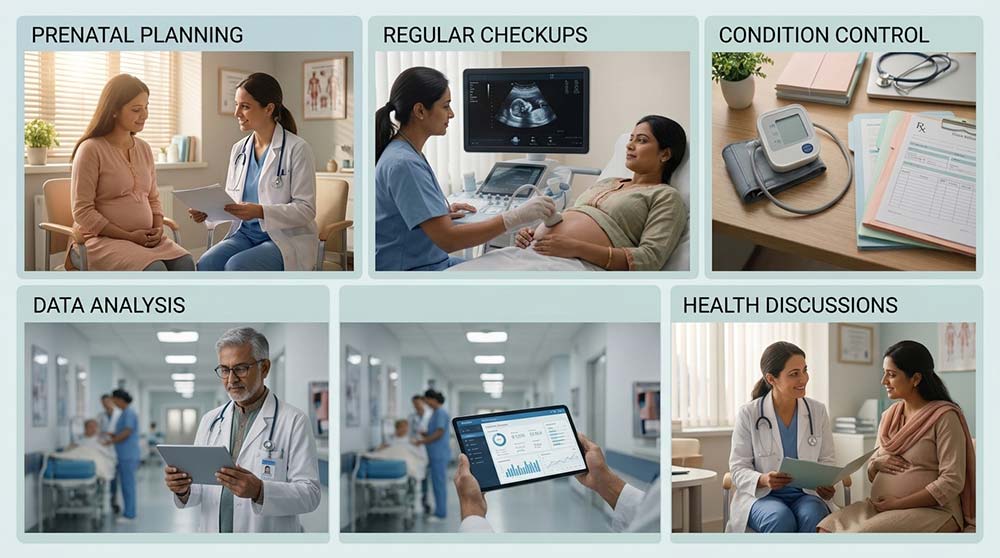 Key Principles of Safe Pregnancy Care
Consistent medical supervision and informed decision-making are essential for safer pregnancy outcomes. A proactive partnership between the mother and her medical team helps ensure timely care throughout pregnancy.
- Early Consultation: Seek medical guidance before conception or as soon as pregnancy is confirmed.
- Regular Antenatal Visits: Attend scheduled appointments and recommended investigations for continuous monitoring throughout pregnancy.
- Medical Condition Control: Manage diabetes, hypertension, thyroid disorders, and other conditions under expert medical guidance.
- Experienced Obstetric Care: Seek guidance from an obstetrician experienced in managing complex and high-risk pregnancies.
- Positive Partnership: Maintain open communication with your doctor to make informed decisions throughout your pregnancy.
High-risk pregnancy care is most effective when expert medical guidance, timely monitoring, and active patient participation work together. This partnership supports informed decisions and safer outcomes for both mother and baby.
Also Read:
Conclusion
A high-risk pregnancy does not necessarily mean complications will occur. It means that closer attention, timely assessment, and personalised medical care may be needed. In my experience, identifying pregnancy risk factors early gives us the opportunity to plan care more carefully for both mother and baby.
Regular antenatal monitoring and personalised high-risk pregnancy care can help identify concerns early and guide timely medical decisions. My approach remains simple: every decision should work towards a healthy mother and a healthy baby.
If you are planning a pregnancy or have been advised that your pregnancy is high-risk, seek expert obstetric guidance early. I am here to help you with personalised pregnancy care, clear medical guidance, and the support you need at every stage.
Our Digital Imprints:
Dr. Madhu Goel
Senior Consultant Obstetrician and Gynaecologist
Director, Fortis La Femme
I am passionate about women’s health and believe that informed, compassionate care empowers women to make confident choices. With experience in high-risk pregnancies, infertility, and gynaecological care, my focus remains on guiding patients with clarity, empathy, and trust.
Stay informed with Health Hub, my newsletter dedicated to women’s health and wellness, where I share evidence-based insights and practical guidance.
You can also connect with me on Instagram | Facebook | LinkedInfor regular updates on women’s health.