
Blighted Ovum Causes Symptoms and Diagnosis Explained
You took the test. It was positive. The nausea arrived right on schedule, your body felt unmistakably different, and you had already begun to imagine what was coming. Then an ultrasound showed something no one had prepared you for: a sac, but no baby inside it. This is the quiet devastation of a blighted ovum, one of the most disorienting forms of early pregnancy loss because everything feels completely real.
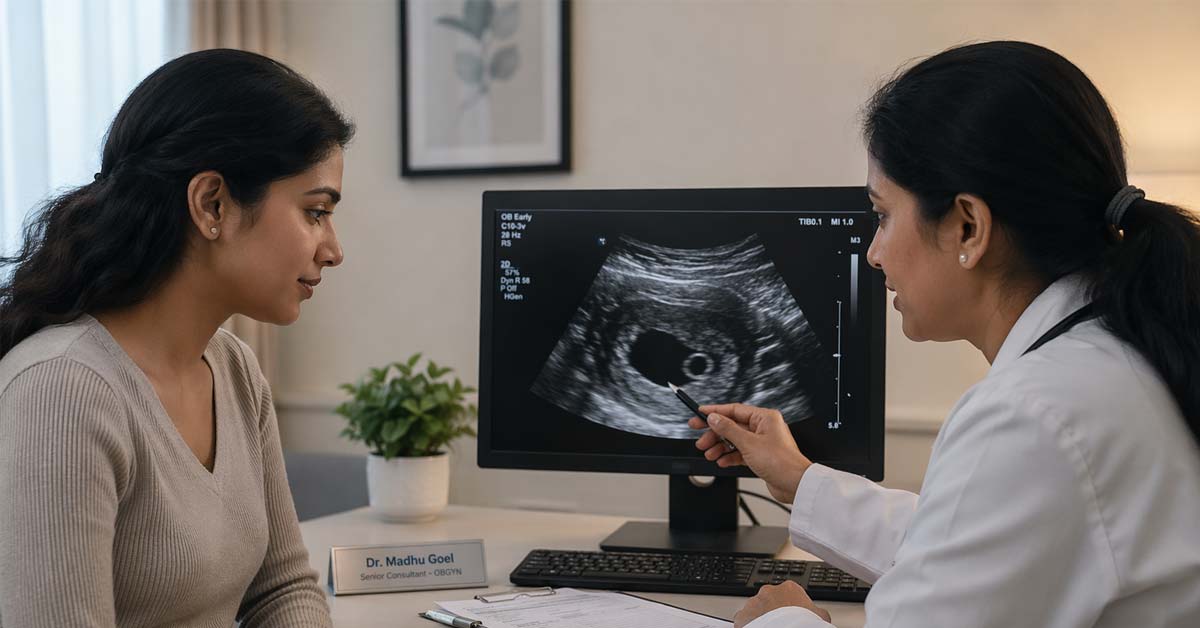
In my practice as a gynaecologist, this is one of the most difficult conversations I have with patients. The emotional shock comes not just from the diagnosis, but from the sudden gap between what the body feels and what the scan shows. Understanding the medical reality behind it is where clarity begins.
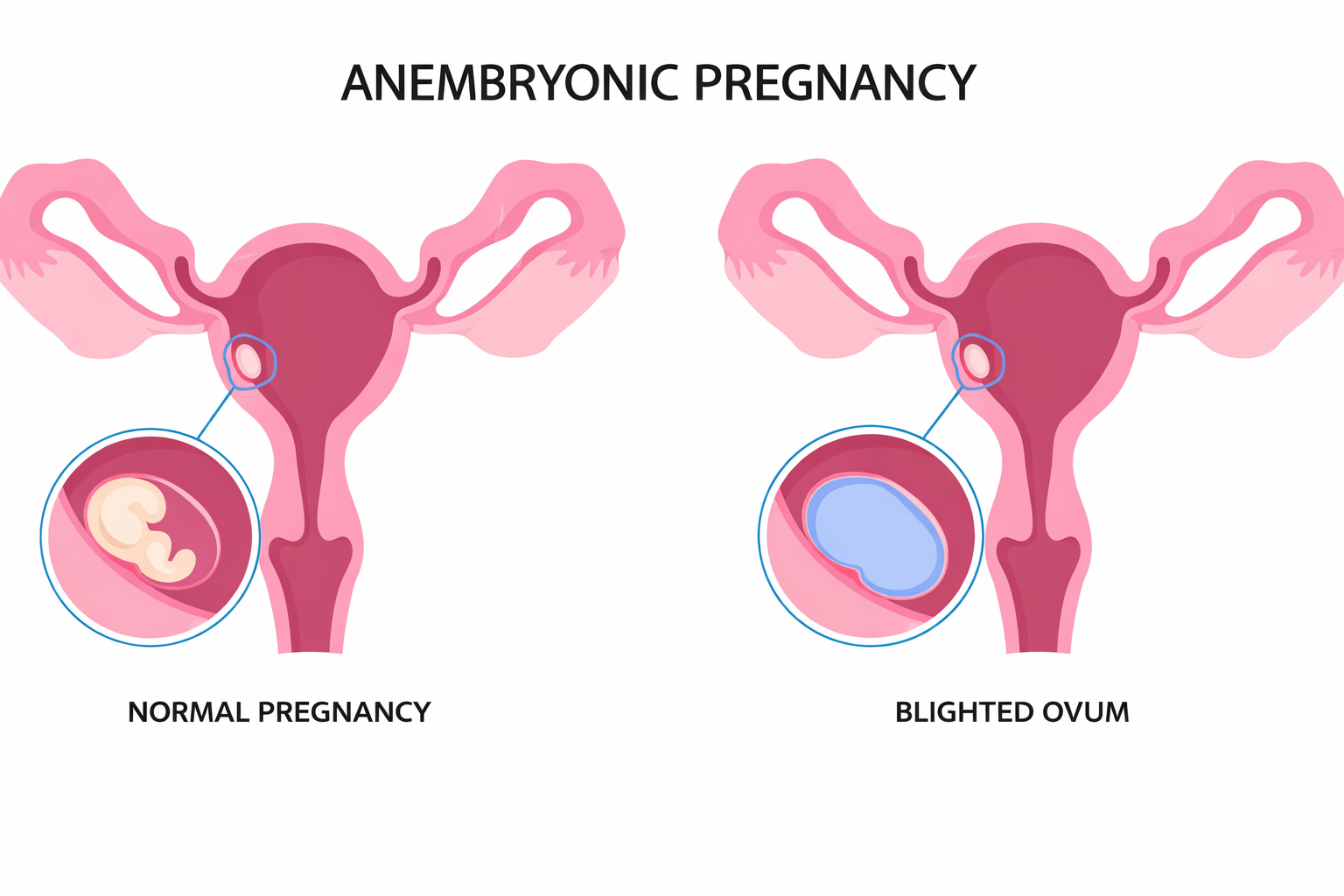
 A blighted ovum, medically called an anembryonic pregnancy, is a type of pregnancy loss in which a fertilised egg implants in the uterus and a gestational sac forms, but the embryo either never develops or stops developing at a microscopic stage, too early to be visible on ultrasound. It accounts for approximately 50 percent of all first-trimester miscarriages and is the most common cause of early pregnancy loss.
Understanding the blighted ovum causes, associated symptoms, and how diagnosis is confirmed helps reduce confusion, remove self-blame, and guide the next steps with confidence. This article explains what happens medically, why it occurs, and what you should expect moving forward.
Also Read:
- Miscarriage Causes, Symptoms, Recovery, and Future Pregnancy Planning
- Is Late Abortion Legal in India? Laws, Gestational Limits, and What Women Should Know
- Biochemical Pregnancy: Positive Test Without Pregnancy
What Is a Blighted Ovum and Why It Happens
A blighted ovum is an early pregnancy loss where a gestational sac forms but the embryo does not develop due to underlying biological factors.
 Why the Body Still Feels Pregnant
The pregnancy feels real because the placental tissue surrounding the sac continues producing HCG, the pregnancy hormone. The body responds to these hormonal signals without recognising that the embryo has not developed. As a result, symptoms like nausea, fatigue, breast tenderness, and a positive pregnancy test continue, creating a strong sense of a progressing pregnancy.
What Causes a Blighted Ovum
Chromosomal abnormalities in the fertilised egg are the most common cause of a blighted ovum. During early cell division, random genetic errors such as missing or extra chromosomes can prevent normal embryo development. Factors like poor egg or sperm quality, early cell division issues, and age-related chromosomal risks may contribute, especially in women after their mid-thirties. Blighted ovum can also occur in IVF pregnancies, as the underlying cause is usually chromosomal and not related to the method of conception.
These changes are entirely random and occur at a cellular level. They are not linked to stress, lifestyle, or any action taken during early pregnancy.
Understanding blighted ovum causes helps replace confusion with clarity and ensures that women approach diagnosis and future planning with informed confidence.
Why Blighted Ovum Feels Like a Normal Pregnancy
Blighted ovum symptoms often feel identical to a normal early pregnancy because hormonal signals continue, even when the embryo is not developing.
How Hormones Maintain Pregnancy Symptoms
One of the most emotionally difficult aspects of a blighted ovum is that it feels like a normal pregnancy until diagnosis. The gestational sac continues producing HCG, so the body responds with typical pregnancy symptoms such as missed periods, nausea, breast tenderness, fatigue, and a positive pregnancy test.
As the sac stops developing, HCG levels may plateau or fall. This can lead to light spotting, mild cramping, or a gradual reduction in symptoms. However, in many cases, there are no warning signs at all. The body continues to feel pregnant, which is why diagnosis often comes unexpectedly during a routine ultrasound.
Can you have no symptoms in a blighted ovum?
Yes. Many women have no symptoms because hormone levels can remain active even after development stops, making it feel like a normal pregnancy until confirmed on ultrasound.
If you experience heavy bleeding, severe pain, fever, or unusual discharge, seek medical care immediately. These require urgent evaluation and should not be ignored.
Understanding blighted ovum symptoms helps explain why the experience feels real and reinforces the importance of timely ultrasound monitoring in early pregnancy.
How Blighted Ovum Is Diagnosed
Blighted ovum diagnosis is confirmed through ultrasound findings and supported by HCG levels, helping differentiate early pregnancy loss from a normally developing early pregnancy.
 What Ultrasound Shows in Diagnosis
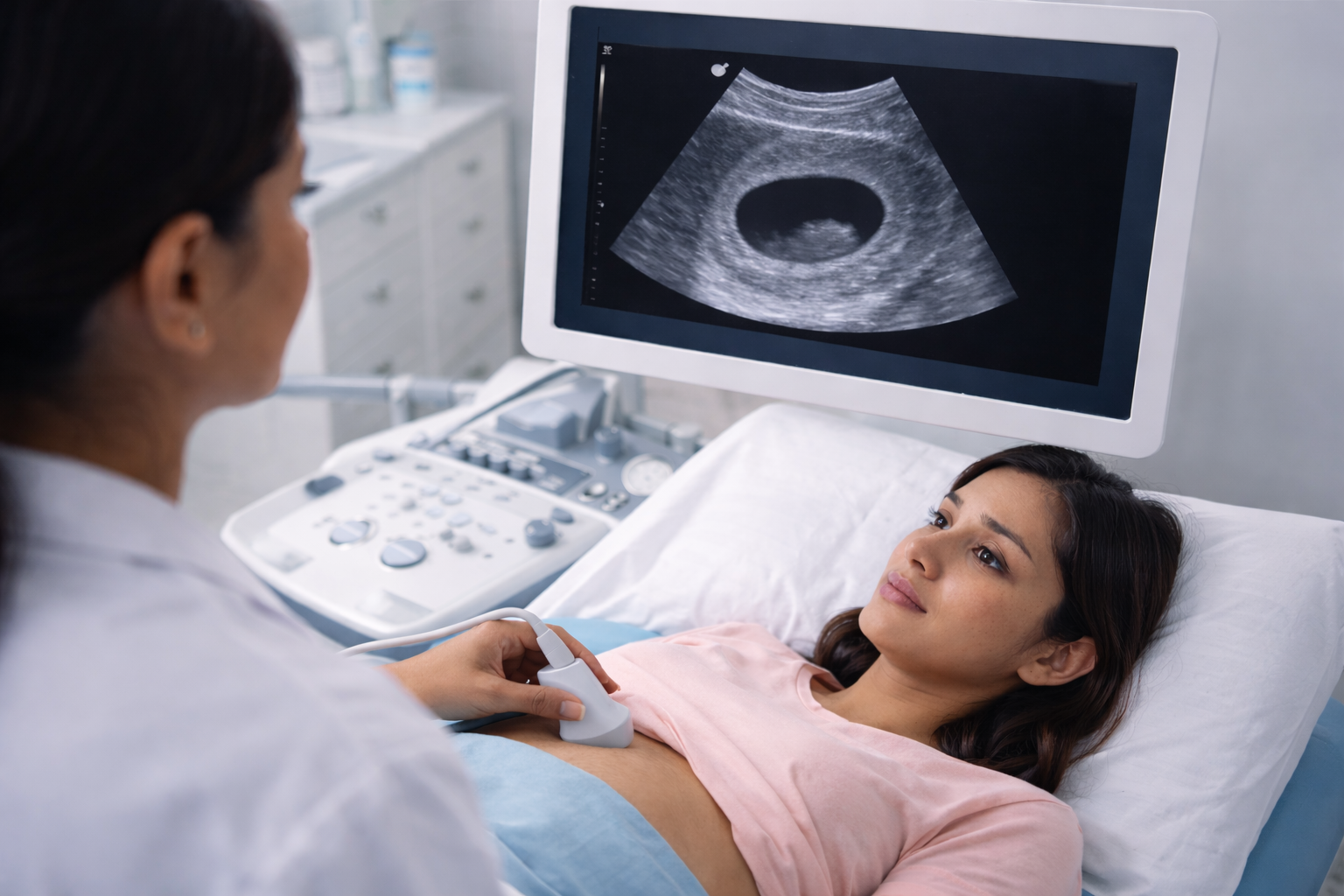
Blighted ovum diagnosis is made primarily through transvaginal ultrasound, the most accurate method in early pregnancy. The scan evaluates the presence and development of structures inside the uterus.
- Gestational sac present: Sac may grow at expected rate initially
- No visible embryo: Key diagnostic sign on scan
- No fetal heartbeat: Absence confirms non-viable development
- Yolk sac often absent: May not be visible in many cases
Timing is critical. Before 7 to 8 weeks, findings may not be conclusive, which is why repeat scans are recommended.
How HCG Levels Support Diagnosis
Blood tests measuring HCG levels provide supporting information but cannot confirm diagnosis independently. They help track how the pregnancy is progressing at a hormonal level.
- Normal pregnancy pattern: HCG doubles every 48 to 72 hours
- Blighted ovum pattern: Levels may rise slowly or plateau
- Later stages: HCG may begin to fall
- Still positive: Hormone levels can remain elevated despite no embryo
Doctors combine HCG trends with ultrasound findings and clinical judgment before confirming the diagnosis.
Accurate diagnosis requires patience, repeat evaluation, and careful interpretation. Waiting for confirmation ensures safety and prevents misdiagnosis in early pregnancy.
Blighted Ovum Treatment Options
After a blighted ovum diagnosis, management depends on clinical findings, pregnancy stage, and patient preference, with all options focused on safe and complete recovery.
Your Management Options
- Expectant management: Allows the body to miscarry naturally without intervention, usually within one to two weeks, with medical monitoring
- Medical management: Medication such as misoprostol helps the uterus contract and expel tissue in a more predictable timeframe
- Surgical management (D&C): A minor procedure to remove uterine contents, recommended when faster resolution or medical indication exists
A follow-up HCG blood test after two to four weeks confirms that the process is complete and recovery is progressing as expected.

Also Read:
- Missed Abortion Explained: Causes, Symptoms, and Recovery
- Recurrent Miscarriage Causes: Why It Happens and What Helps
Understanding What Happened Is Where Healing Begins
Understanding what happened is where healing begins. A blighted ovum is a random chromosomal event, not something you caused. Your body responded normally to a pregnancy that could not develop, and that distinction matters.
Physical recovery is usually quick, often within weeks. Emotional recovery takes time, and that is completely valid. With proper care and follow-up, most women go on to have a healthy pregnancy.
Clarity replaces fear. When you understand the blighted ovum causes, you move forward with clarity and confidence.
Book your consultation with Dr. Madhu Goel today for personalised guidance, recovery support, and planning your next healthy pregnancy with confidence.
Our Digital Imprints:
Dr. Madhu Goel
Senior Consultant Obstetrician and Gynaecologist
Director, Fortis La Femme
I am passionate about women’s health and believe that informed, compassionate care empowers women to make confident choices. With experience in high-risk pregnancies, infertility, and gynaecological care, my focus remains on guiding patients with clarity, empathy, and trust.
Stay informed with Health Hub, my newsletter dedicated to women’s health and wellness, where I share evidence-based insights and practical guidance.
You can also connect with me on Instagram | Facebook | LinkedInfor regular updates on women’s health.