
Air Pollution and Pregnancy: Risks and Precautions
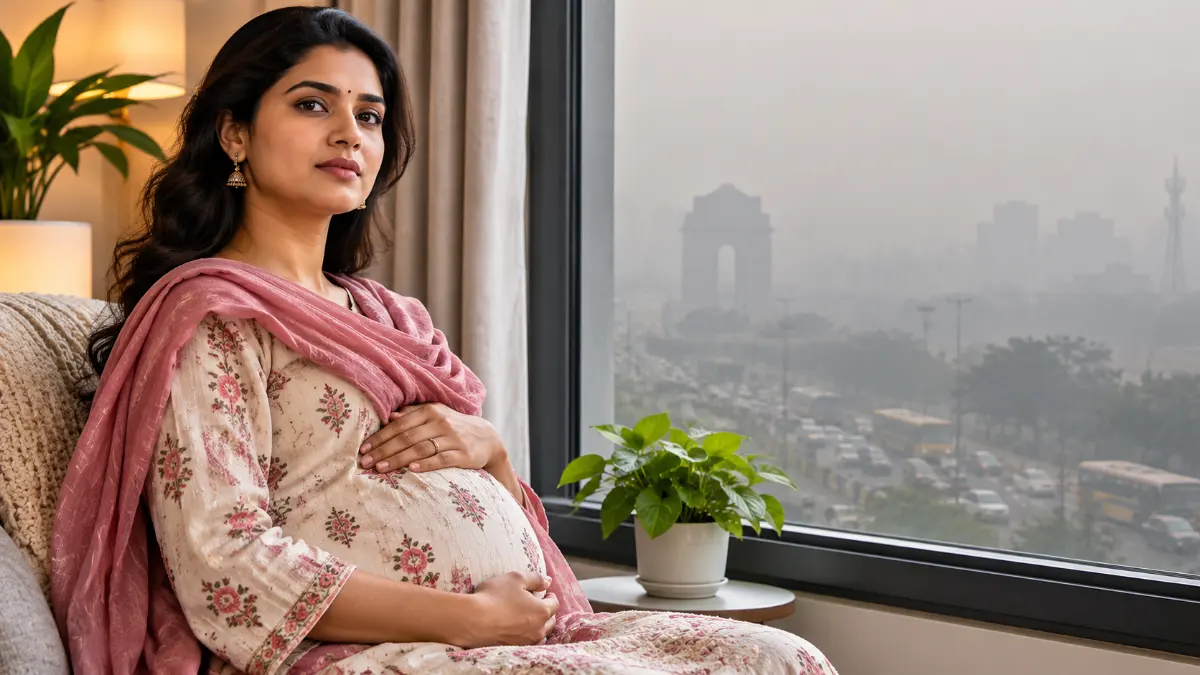
Every winter, when the smog settles over Delhi, pregnant women in my clinic ask me the same question. Can the pollution outside affect my baby? Air pollution and pregnancy is a concern I now discuss with expectant mothers every season.
Delhi winters once meant cool, pleasant days. Now they arrive with smog. Most of us notice the scratchy throat and the strain on our lungs. Far fewer people notice the quieter effect pollution can have on a pregnant mother and her unborn baby.
 As a practising obstetrician and gynaecologist, I care for women through every stage of pregnancy, including high-risk pregnancies. Alongside environmental concerns, expectant mothers often need guidance on everyday pregnancy discomforts, including morning sickness remedies for managing nausea.
In this article, I explore how air pollution can affect maternal health, what it may mean for your baby’s growth, how the placenta is involved, and the precautions and antenatal checks that help during high AQI days.
Also Read:
- First Gynaecologist Visit for Teen Girls: What to Expect and Prepare
- Puberty in Girls: Body Changes, Timeline and What Is Normal
Air Pollution and Pregnancy: Effects on Maternal Health
During pregnancy, the body undergoes changes in breathing, circulation and metabolism. These changes make understanding the potential health effects of air pollution particularly important.
Air pollution during pregnancy is associated with respiratory irritation, gestational hypertension, pre-eclampsia and gestational diabetes. These risks may increase with exposure, but they do not mean every pregnant woman will develop complications.
Understanding AQI and Pollution Exposure in Pregnancy
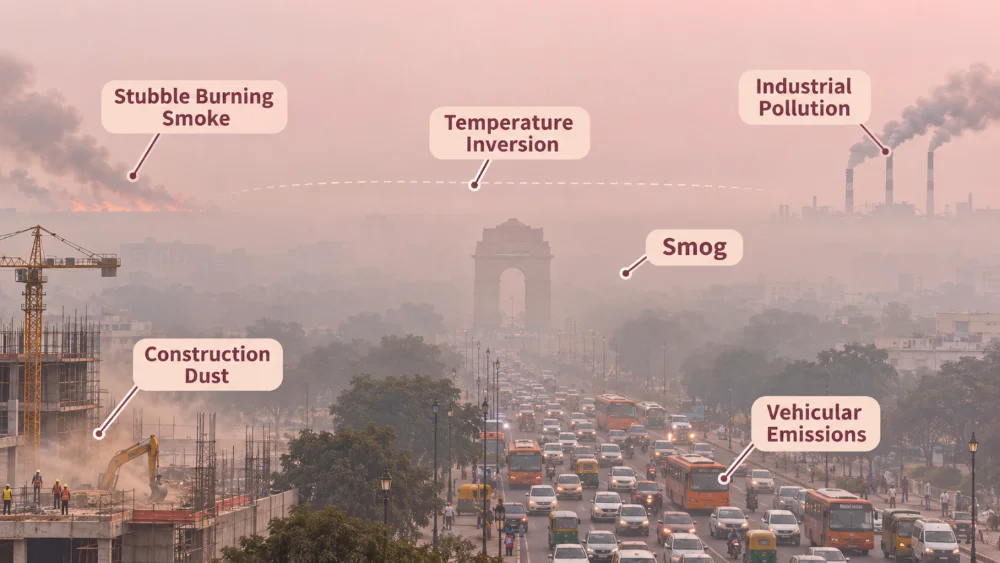
Understanding AQI and pregnancy helps expectant mothers assess daily pollution exposure. Polluted air contains fine particles and gases. PM2.5 particles can travel deep into the lungs, while PM10 particles are larger. Vehicle exhaust, construction dust, crop burning and household smoke contribute to pollution.
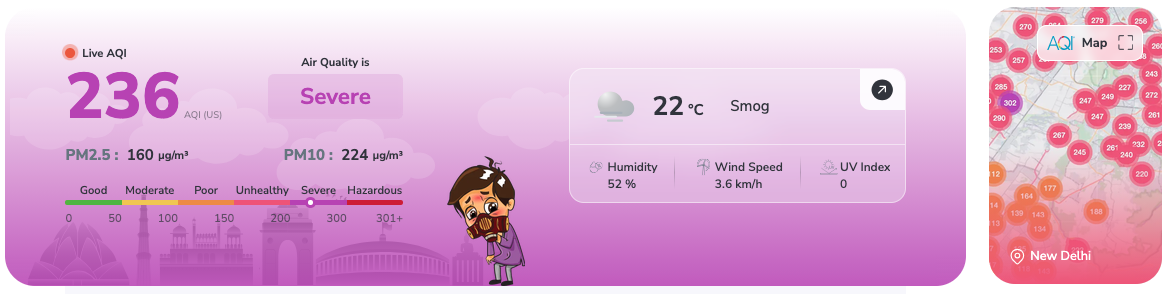 The Air Quality Index (AQI) indicates outdoor pollution levels. Your exposure depends on both pollution intensity and time spent outdoors. Checking AQI before leaving home can help you plan activities. However, outdoor AQI does not always reflect indoor air quality.
Pregnancy Complications Linked to Air Pollution
Air pollution can cause throat irritation, cold-like symptoms, burning eyes, headaches, fatigue and breathing difficulties. During pregnancy, studies have linked prolonged exposure with gestational hypertension and pre-eclampsia, conditions involving high blood pressure that I discussed in my earlier video.While gestational diabetes requires pregnancy-specific assessment, understanding women’s hormones and metabolic balance provides broader context for metabolic health.
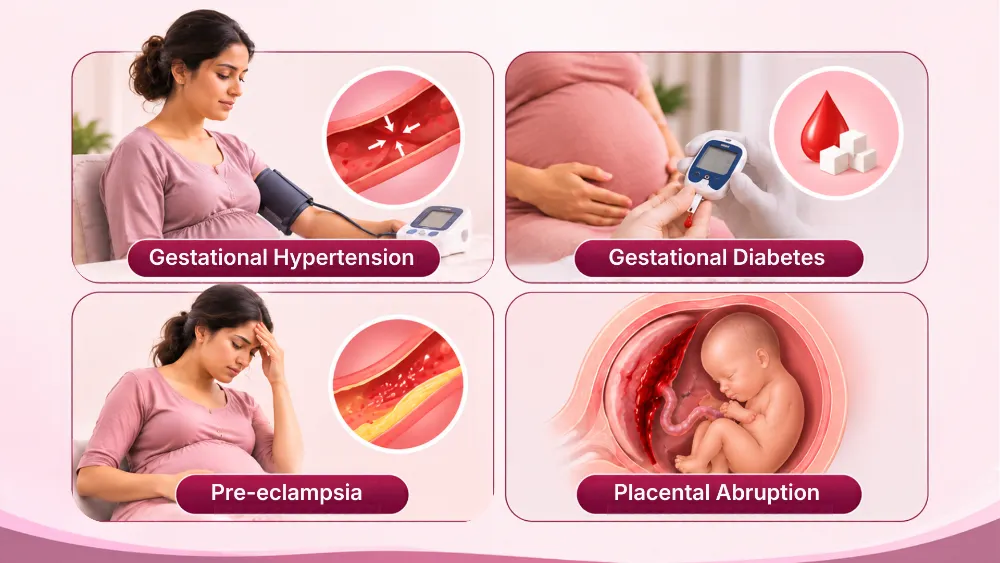 Research also suggests associations with gestational diabetes and placental abruption, a condition where the placenta separates from the uterine wall before delivery and may cause bleeding. These findings indicate potential risks, not certain outcomes. Regular antenatal monitoring helps identify complications early.
In my clinic, I always encourage expectant mothers to stay informed without becoming anxious. Understanding these risks helps us monitor maternal health, recognise early changes and take timely precautions throughout pregnancy.
Air Pollution Effects on Foetal Health
What a mother breathes can influence the environment in which her baby grows. These risks are measured across populations, so they cannot be predicted for any single pregnancy.
Air Pollution Effects on Foetal Growth
Studies of women exposed to higher pollution levels at different stages of pregnancy have reported links with these growth-related outcomes.
- Low birth weight: Higher exposure during pregnancy has been associated with babies weighing less than 2.5 kg at birth
- Foetal growth restriction: The baby may not grow as well as expected in the womb, a condition I have discussed in my FGR series.
- Stillbirth risk: Some studies link higher exposure with a greater risk of losing a baby before birth.
Long-Term Health Effects in Children
Researchers are also studying whether exposure before birth affects a child’s health in later years. Some findings are firmer than others.
- Childhood asthma: Exposure before birth has been associated with higher rates of asthma in childhood.
- Neurodevelopmental conditions: Emerging research is exploring a possible link with autism. The evidence is still developing and does not show cause.
- Later-life health: Early studies suggest a possible link with high blood pressure and diabetes later in life. This research is still emerging.
Low birth weight and growth concerns have the strongest evidence. Other links remain under study. Regular antenatal care helps your doctor monitor your baby’s growth and act early if needed.
Pollution Exposure, Placental Function and Foetal Development
The placenta is your baby’s lifeline. It carries oxygen and nutrients to your baby, so its health sits at the centre of how pollution may affect a pregnancy.
Placental Changes Linked to Pollution Exposure
Doctors and researchers are still learning how pollution affects the placenta. Current evidence points to a few likely pathways.
When particulate matter and gases rise in the air we breathe, the body can respond with inflammation. Oxidative stress also increases. This is a form of strain on cells caused by unstable molecules. Both processes may affect how well the placenta works, and these changes may affect the placenta’s ability to deliver oxygen and nutrients to the baby.
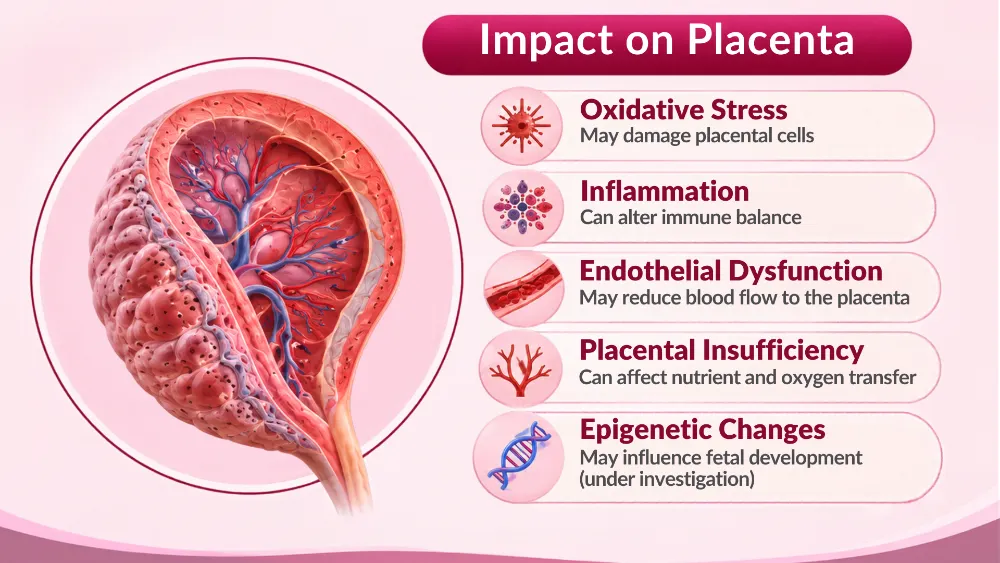 Some studies have detected pollution particles in placental and foetal tissue. What this means clinically is still under investigation. Researchers are also exploring whether pollution may cause epigenetic changes. These are changes in how genes are switched on or off, without altering the DNA itself. This work is at an early stage.
Can Air Pollution in Pregnancy Harm the Baby?
Air pollution exposure in pregnancy may raise the risk of low birth weight and growth concerns, but harm is not certain. Reducing exposure and attending regular antenatal checks help your doctor spot and manage any problems early.
The placental link explains why two steps matter most during the pollution season: reducing how much polluted air you breathe and keeping a close watch on your baby’s growth.
Pregnancy Precautions During High AQI Days
Air pollution cannot be avoided entirely, but daily exposure can be reduced.Preventive healthcare begins early in life. From understanding teenage periods to preparing for the first gynaecologist visit, timely medical guidance helps girls and women make informed health decisions
Simple, consistent steps at home, outdoors and while travelling make a practical difference through the season.
Steps That Reduce Pollution Exposure
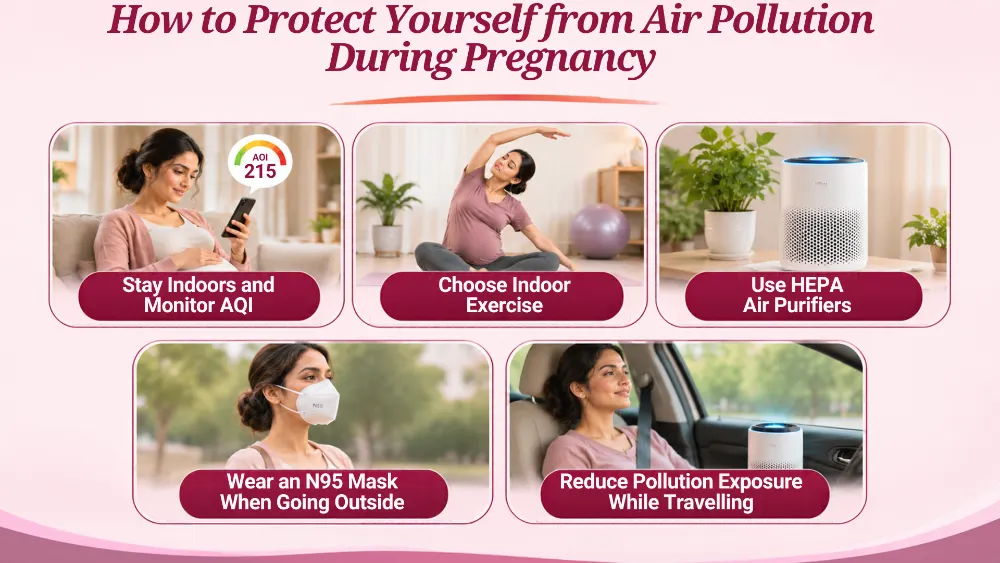
- Check AQI daily: Look at the real-time AQI on your phone before stepping out, and limit outdoor time when levels are high.
- Wear an N95 mask: Wear a properly fitted N95 mask when outdoor travel is unavoidable. It helps filter airborne particles, though not all gaseous pollutants. Cloth masks do not offer this protection.
- Use HEPA purifiers: Run an air purifier with a HEPA filter at home, especially in the room you use most.
- Travel with windows closed: Keep car windows closed and use recirculation mode. A car air purifier is an optional extra.
- Keep home smoke-free: Use a kitchen chimney, avoid incense sticks and burners, and avoid passive smoking.
- Exercise indoors: Walk on an indoor treadmill or practise prenatal yoga instead of walking outside.
 Antenatal Monitoring During the Pollution Season
Reducing exposure is one part of protection. Regular antenatal care is the other, because it helps detect changes early, often before you notice any symptoms.
- Scheduled antenatal visits: Keep scheduled antenatal appointments. On severe pollution days, discuss safe travel or alternative arrangements with your doctor.
- Blood pressure checks: Routine readings help detect gestational hypertension or pre-eclampsia at an early stage.
- Foetal growth assessment: When clinically indicated, your doctor may advise growth scans to monitor your baby’s development.
Hydration and a balanced diet support general pregnancy health, but they do not replace measures that reduce pollution exposure.
Also Read:
Protecting Your Pregnancy Through the Pollution Season
Air pollution is a real concern during pregnancy, but exposure does not automatically mean harm to your baby. Being aware of the risks and reducing your exposure in practical ways can make a meaningful difference.
Stay regular with your antenatal checks through the pollution season. If you have severe itching or difficulty breathing at any stage, go to the hospital promptly. Both symptoms need medical assessment, whatever the cause. Managing pregnancy discomfort is equally important. Explore practical morning sickness remedies to help relieve nausea during early pregnancy.
If you are pregnant or planning a pregnancy this winter, book a consultation with me. Together, we can plan antenatal care that protects you and your baby through high AQI days.