

Miscarriage Causes, Symptoms, Recovery, and Future Pregnancy Planning
Miscarriage causes are one of the most common yet misunderstood aspects of early pregnancy. Miscarriage, the spontaneous loss of a pregnancy before 20 weeks, affects many women, often bringing confusion, fear, and unanswered questions.
Many women walk into my clinic asking the same question, “Did I do something wrong?” If you ask me, based on my clinical experience, the answer is no. In clinical practice, this concern is both common and deeply personal.
 Clinically, nearly 50 to 60 percent of early pregnancy losses occur due to chromosomal issues that cannot be prevented. Understanding the real miscarriage causes and reasons for miscarriage in early pregnancy is not only medically important, it is the first step toward healing and reassurance.
In my clinical practice as a gynaecologist, I regularly guide women through this phase with clarity and evidence-based care. This blog explains miscarriage symptoms, miscarriage recovery time, and how to plan pregnancy after miscarriage, so you can move forward with confidence and the right medical support.
Also Read:
- Is Late Abortion Legal in India? Laws, Gestational Limits, and What Women Should Know
- Late Abortion in India: Medical Reasons and Legal Safeguards
Why Do Miscarriage Causes Occur? Medical Reasons in Early Pregnancy
Miscarriage causes are primarily biological and often beyond control. Understanding the reasons for miscarriage in early pregnancy helps reduce fear and supports informed medical decisions.
Chromosomal Miscarriage Causes in Early Pregnancy
A miscarriage is defined medically as the spontaneous end of a pregnancy before the fetus reaches 20 weeks of gestation. The large majority, roughly 8 in every 10, occur within the first 12 weeks. The most common cause is a chromosomal abnormality in the developing embryo. During early cell division, a random genetic error can occur, such as an extra or missing chromosome. These errors are not inherited and are not caused by anything either parent did. The body recognizes that the pregnancy cannot develop normally and ends it naturally. This accounts for approximately 50 to 60 percent of first-trimester losses. Conditions like a blighted ovum, where a gestational sac forms without embryo development, are a common clinical example.
 Other Medical Reasons for Miscarriage in Early Pregnancy
Beyond chromosomal causes, other medical factors can contribute. Hormonal imbalance, particularly low progesterone or thyroid disorders, can affect pregnancy support. Uterine abnormalities such as fibroids or structural issues may interfere with implantation. Clotting disorders, infections, and immune conditions are also recognised contributors. Age increases the risk of chromosomal errors, especially after 35. Certain lifestyle factors like uncontrolled diabetes, obesity, smoking, and alcohol use may increase risk, but these are not reasons for self-blame and can be medically managed.
Understanding miscarriage causes helps replace guilt with clarity, allowing women to approach future pregnancy with informed confidence and appropriate medical guidance.
Miscarriage Symptoms: Recognising Warning Signs Early
Miscarriage symptoms can vary from mild to severe. Understanding early signs and knowing when to seek medical help ensures timely care and reduces complications during pregnancy.
Early Miscarriage Symptoms to Watch For
The most recognized sign of miscarriage is vaginal bleeding during pregnancy, ranging from light spotting to heavier flow, often accompanied by cramping or lower abdominal pain. Some women may also notice:
- Vaginal bleeding: Light spotting to heavy flow
- Abdominal cramps: Persistent or worsening pain
- Tissue passage: Clots or pregnancy tissue
- Symptom loss: Sudden drop in nausea or breast tenderness
It is important to know that not all bleeding leads to miscarriage. A threatened miscarriage may still continue normally with monitoring and medical guidance.
When to Seek Immediate Medical Attention
Some miscarriage symptoms require urgent medical care and should not be ignored. Your doctor may assess using ultrasound and HCG levels, especially in cases like missed miscarriage where symptoms may be minimal. Seek immediate help if you experience:
- Heavy bleeding: Soaking one pad per hour
- Severe pain: Intense abdominal discomfort
- Infection signs: Fever or foul-smelling discharge
- Dizziness: Fainting or weakness
Timely medical attention ensures safety, proper diagnosis, and appropriate miscarriage management.
Understanding miscarriage symptoms helps women act early, seek the right care, and approach recovery with clarity and confidence.
Miscarriage Recovery Time: Physical Healing and Follow-Up Care
Miscarriage recovery time varies for each woman, but most recover physically within a few weeks. Understanding this phase helps set realistic expectations and ensures proper medical follow-up.
Physical Recovery and Medical Management After Miscarriage
Physical recovery after a miscarriage usually takes a few weeks. Light bleeding or spotting may continue for one to two weeks. Most women find their menstrual cycle returns within four to six weeks, which indicates hormonal balance is restoring. A follow-up HCG test ensures pregnancy hormone levels return to zero. Management depends on the type of miscarriage and gestation. Expectant management allows natural completion, while medical management uses prescribed medication. In some cases, a D&C procedure is performed to remove remaining tissue safely. For recurrent pregnancy loss, detailed evaluation including genetic, hormonal, immune, and uterine assessment helps guide future treatment and improve outcomes.
When should I worry about miscarriage recovery time?
If bleeding becomes heavy, fever develops, pain increases, or recovery feels delayed beyond a few weeks, medical evaluation is necessary to rule out retained tissue or infection.
Emotional recovery is equally important. With the right medical support and reassurance, both physical healing and future pregnancy planning can be approached with confidence.
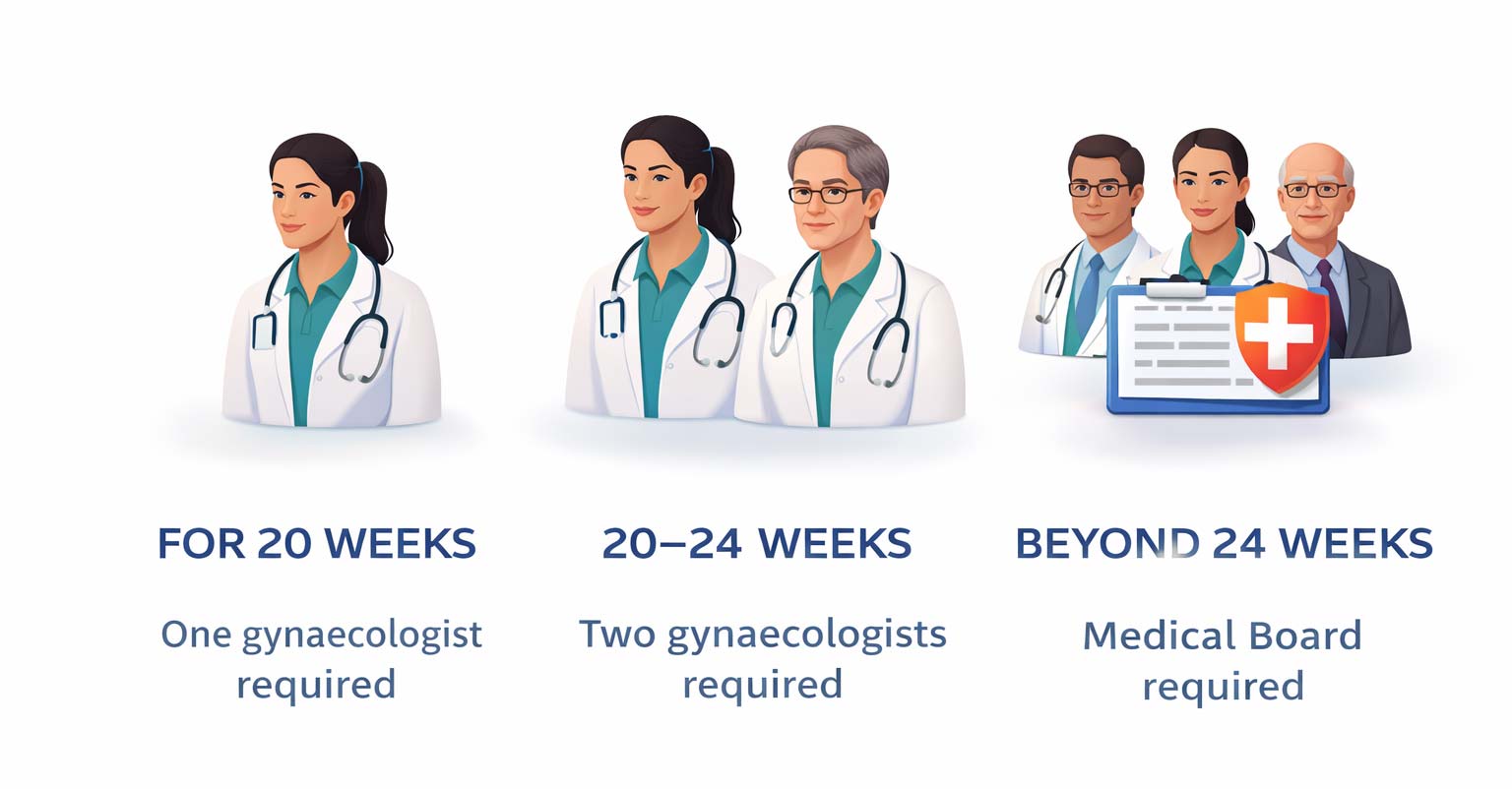 Pregnancy After Miscarriage: When and How to Try Again Safely
Planning pregnancy after miscarriage requires both medical readiness and emotional comfort. Understanding the right timing and preparation helps improve outcomes and builds confidence for a healthy next pregnancy.
- When to try again: Ovulation can return within two to four weeks after a miscarriage, making conception possible early, but waiting for one natural cycle helps with accurate pregnancy dating.
- Medical readiness: Most gynaecologists recommend ensuring the body has recovered fully and any identified medical conditions are treated before attempting the next pregnancy.
- Emotional readiness: There is no fixed timeline. Couples should feel mentally prepared, as emotional healing is as important as physical recovery.
- Pre-pregnancy care: Start folic acid 400 to 800 micrograms daily, check thyroid, blood sugar, and hormone levels, and follow any treatment advised after evaluation.
- Lifestyle factors: Maintain a healthy weight, avoid smoking and alcohol, and manage chronic conditions to reduce risk in the next pregnancy.
One miscarriage does not reduce your chances of having a healthy baby. With the right care and guidance, future pregnancy outcomes are highly positive.
Also Read:
FAQ: Miscarriage Causes
Q: What are the most common miscarriage symptoms in early pregnancy?
Miscarriage symptoms in early pregnancy usually include vaginal bleeding, abdominal cramps, and lower back pain. Some women may notice tissue passage or loss of pregnancy symptoms. However, some miscarriages can occur without symptoms and are diagnosed only through ultrasound.
Q: How long does miscarriage recovery time usually take?
Miscarriage recovery time varies, but physical recovery usually takes a few weeks. Bleeding may last one to two weeks, and periods return within four to six weeks. Emotional recovery may take longer and requires support, reassurance, and proper medical follow-up.
Q: Can I have a healthy pregnancy after miscarriage?
Pregnancy after miscarriage is usually successful for most women. Ovulation can resume within weeks, and with proper medical guidance, addressing underlying causes, and healthy lifestyle changes, the chances of a full-term, healthy pregnancy remain very high.
 Moving Forward with Medical Support and Renewed Hope
Miscarriage is a medical event, not a personal failure. Understanding miscarriage causes, miscarriage symptoms, and miscarriage recovery time helps replace fear with clarity and supports informed decisions during this phase.
Physical recovery usually completes within weeks, while emotional healing takes its own time and deserves equal attention. Recognising reasons for miscarriage in early pregnancy helps reduce anxiety and improve medical preparedness.
With the right care and guidance, pregnancy after miscarriage is often successful. Most women go on to have healthy, full-term pregnancies with proper evaluation, reassurance, and timely medical support.
Book your consultation with Dr. Madhu Goel for expert guidance, personalised care, and safe planning for your next healthy pregnancy journey.




[…] Miscarriage Causes, Symptoms, Recovery, and Future Pregnancy Planning […]