

Contraceptive Counseling: Choosing the Right Method for You
When Meera, a 29-year-old working professional, sat across my desk, her first question was simple yet anxious: “Doctor, everyone suggests something different. How do I know what is the best suited option for me?” This confusion is common, and it highlights why contraceptive counseling is essential when women are trying to make informed, personal decisions about birth control.
When it comes to choosing contraceptive method options, most women quickly realise that there is no universal answer that works for everyone. Your health, age, lifestyle, relationship status, and future family goals all play a meaningful role in deciding which birth control solution truly fits your life. And with so many choices, the process often becomes confusing.
In my years of practice as a gynaecologist, I have seen how difficult it can be for women in India to balance medical facts with real-life concerns. That is exactly why understanding the right factors matters. What truly helps women is clarity around their health, comfort, and long-term plans, supported by medically guided family planning options they can trust.
Also Read:
- Natural Family Planning and Emergency Contraception Explained
- How Hormonal and Barrier Contraceptives Work
Understanding the Main Contraceptive Options
Choosing a contraceptive often feels overwhelming because options work in very different ways. Understanding how each category functions helps women move beyond confusion and begin contraceptive counseling conversations with clarity and confidence.
Before choosing contraceptive method solutions confidently, it helps to know how each category works and what makes them suitable or unsuitable for different women.
Barrier Methods
Barrier methods include condoms and diaphragms. They are designed to prevent sperm from reaching the egg and are commonly chosen by women seeking non-hormonal, easily accessible family planning options.
They offer protection against sexually transmitted infections and are hormone-free. However, their effectiveness depends heavily on correct and consistent use, which can increase failure rates in everyday life.
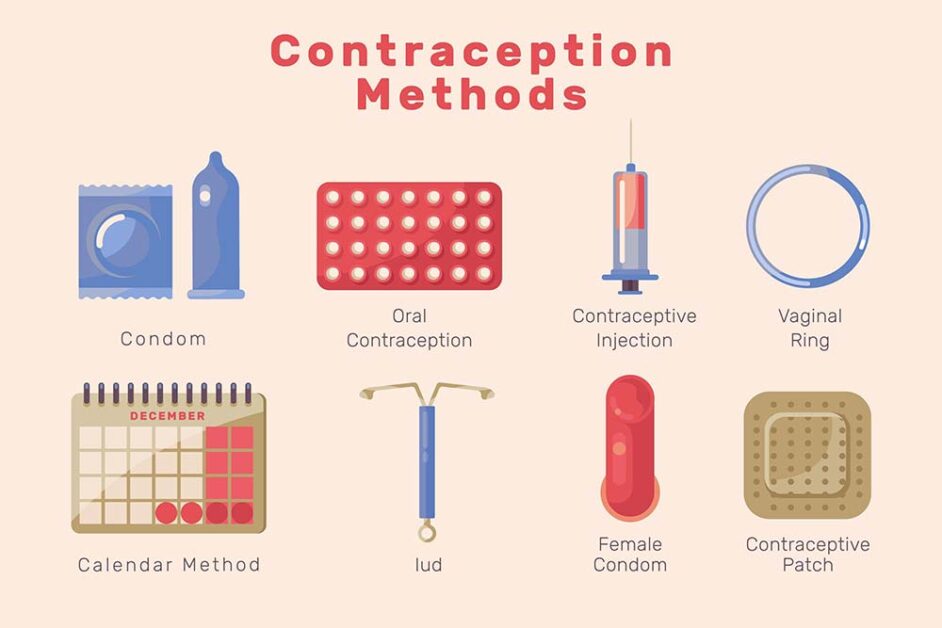
Hormonal Methods
Hormonal methods include birth-control pills, hormonal IUDs, patches, and injectables. These methods work by regulating ovulation and hormonal cycles, making them a popular choice during contraceptive counseling.
They are highly effective and can lead to predictable periods and reduced menstrual pain. However, they may not be suitable for women with migraines, clotting disorders, or hormone sensitivity, making medical guidance essential.
Long-Acting Methods (LARC)
Long-acting reversible contraception, or LARC, includes copper IUDs and hormonal implants. These methods provide long-term protection with minimal daily effort.
Often described as “set and forget,” they are among the most reliable family planning options available. They do require a clinical procedure, and some women may experience initial discomfort before settling into the method.
Natural Methods and Emergency Options
Natural methods include fertility-awareness tracking, while emergency contraception is used after unprotected intercourse. These non-hormonal options are often chosen for personal, cultural, or medical reasons.
While hormone-free, they require careful timing and consistency. Emergency pills should never replace regular contraception, as accuracy and reliability are lower with repeated use.
Understanding these options helps women move closer to choosing contraceptive method solutions that suit their body and lifestyle without guesswork or pressure.
Factors to Consider When Choosing
No contraceptive method is universally right. The best choice depends on individual health, daily routine, and long-term goals, all of which should be discussed openly during contraceptive counseling.

The best contraceptive method aligns with your health, preferences, and long-term goals. Several key factors help guide women toward informed and confident reproductive health choices.
Health Profile and Medical Safety
Medical history plays a critical role in choosing contraception. Women with migraines, clotting issues, breast conditions, thyroid disorders, or PCOS may need specific alternatives.
Hormonal versus non-hormonal contraception should always be selected based on safety rather than convenience, with medical advice guiding the final decision.
Lifestyle and Daily Routine
Some women prefer low-maintenance methods, while others are comfortable with daily routines such as pills. Honest reflection helps narrow suitable family planning options.
Consider how busy your routine is, whether you can follow strict schedules, and if a long-term method would better support your lifestyle.
Side Effects and Physical Comfort
Every method affects the body differently. Hormonal contraception may influence mood, weight, or bleeding patterns, while copper IUDs may increase cramps initially.
Knowing what changes are possible helps women make realistic, informed decisions instead of being surprised later.

Fertility Plans and Future Goals
Short-term methods suit women planning pregnancy within one to two years. LARC methods are often preferred for longer spacing, while permanent methods suit those confident about completing their family.
When these factors are evaluated honestly, choosing contraceptive method options becomes a thoughtful decision rather than trial and error.
Matching Your Contraceptive to Your Life
Beyond medical facts, contraception must fit real life. Relationship dynamics, access, and personal comfort all influence whether a method will be used consistently and confidently.
A method that works well for someone else may not align with your routine, comfort, or relationship patterns. Personal fit is essential for long-term success.
Relationship and Sexual Health Considerations
Barrier methods remain essential for women concerned about STI protection or those with multiple partners. In stable, monogamous relationships, long-term options may feel easier and more practical.
Budget and Accessibility
Cost and access matter more than many women realise. Pills may seem affordable monthly but add up over time. IUDs and implants cost more initially but offer protection for several years.
Availability also varies. Some methods require prescriptions, clinic visits, or follow-ups, which should be considered during contraceptive counseling.
Personal Comfort and Beliefs
Women who prefer natural solutions may choose fertility-awareness methods. Others may feel uncomfortable with internal procedures and prefer pills or condoms.
Cultural beliefs and family influences also shape decisions for many women in India, making respectful, personalised guidance important.
Matching contraception to lifestyle ensures consistency, confidence, and satisfaction with the chosen method.
A Simple Checklist to Guide Your Decision
Clarity often comes from asking the right questions and staying empowered. A simple self-check helps women organise their thoughts before discussing family planning options with a doctor.
Consider your long-term pregnancy plans, existing health risks, ability to follow routines, comfort with side effects, need for STI protection, yearly budget, hormonal preferences, comfort with procedures, access in your city, and alignment with personal values.

Doctor guiding patient on contraception options
Using this checklist helps ensure that choosing birth control methods is guided by personal needs rather than external pressure.
Also Read:
- Contraception in India: What Every Woman Should Know
- Common Myths and Misconceptions About Contraception: A Doctor’s Perspective
Own Your Reproductive Journey With Clarity
Choosing contraception is not only a medical decision. It is a deeply personal choice shaped by health needs, relationships, and changing life goals. As circumstances evolve, so do contraceptive needs, making regular review and open discussion essential.
There is no perfect method, only the right one for you at this stage of life. Whether you prioritise long-term effectiveness, hormone-free options, or low-maintenance solutions, informed contraceptive counseling helps women understand benefits, limitations, and safety with confidence. The right guidance transforms uncertainty into clarity and supports healthier reproductive decisions.
If you are unsure which option suits your body or future plans, speak with a qualified gynaecologist. Thoughtful, personalised counseling ensures your contraceptive choice protects your health today while supporting your goals for tomorrow.
Our Digital Imprints:
Dr. Madhu Goel
Senior Consultant Obstetrician and Gynaecologist
Director, Fortis La Femme
I am passionate about women’s health. With expertise in managing high-risk pregnancies, infertility, and various gynaecological issues, I strive to provide compassionate care. I am committed to ensuring the well-being of my patients. Follow me for insights and updates on women’s health.
Get Connected to my Newsletter
“Health Hub”: Women’s Health & Wellness
Connect with me: Instagram | Facebook | LinkedIn





[…] Contraceptive Counseling: Choosing the Right Method for You […]
[…] Contraceptive Counseling: Choosing the Right Method for You […]
[…] Contraceptive Counseling: Choosing the Right Method for You […]
[…] Contraceptive Counseling: Choosing the Right Method for You […]