

Contraceptive Counseling Access: Empowering Informed Choices
Many women walk into my clinic carrying far more than medical questions. They come with confusion, hesitation, and fear shaped by half-heard advice, social pressure, or silence around reproductive health. Choosing a contraceptive method is rarely just a medical decision. It is emotional, personal, and often influenced by stigma rather than science.
 In my experience as a gynaecologist, I see how lack of access to clear, respectful guidance can leave women overwhelmed. They may know that options exist, yet remain unsure which choice is safe, suitable, or reversible for their body and life stage. This is where contraceptive counseling access becomes not just helpful, but essential.
This article explores why access to contraception and doctor-led counselling matters so deeply. It explains how personalised guidance helps women and couples move from doubt to confidence, and why informed contraceptive choice must always be supported by empathy, privacy, and medical expertise.
Also Read:
- Common Myths and Misconceptions About Contraception: A Doctor’s Perspective
- Contraceptive Counseling: Choosing the Right Method for You
- When Contraception Fails: A Doctor’s Guide to Safe Abortion Care
Understanding Access in Contraceptive Counseling
Contraceptive counseling access means more than the physical availability of pills, devices, or procedures. It refers to a woman’s ability to receive timely, affordable, and respectful guidance that helps her choose what truly suits her health, values, and future plans.
In clinical practice, access is often limited by factors that have nothing to do with medicine itself. Many women delay or avoid seeking help because of cost concerns, fear of judgment, or lack of nearby gynaecology services. Others rely on advice from friends or the internet, unsure where to turn for trusted information.

What Limits Access for Many Women
Several barriers continue to affect access to contraception and counselling, particularly in India and similar settings.
Financial constraints:
Consultations, investigations, or follow-ups may feel unaffordable, especially when reproductive health is not prioritised within families.
Social and cultural stigma:
Seeking contraceptive advice is still wrongly associated with shame, immorality, or weakness, discouraging open conversation.
Geographical challenges:
Women in smaller towns or rural areas may not have easy access to trained gynaecologists or family planning counseling services.
Lack of awareness:
Many women do not realise that counselling is meant for guidance, not only for problems or emergencies.
When these barriers exist, women often make decisions in isolation. This increases anxiety, misuse of methods, and dissatisfaction with contraception.
From a doctor’s perspective, improving access is not just about expanding services. It is about creating safe spaces where women feel heard, informed, and respected.
Why Doctor-Led Counseling Shapes Informed Contraceptive Choice
Effective contraceptive counselling is not about telling a woman what to use. It is about helping her understand her own body, risks, and priorities so she can decide with confidence.
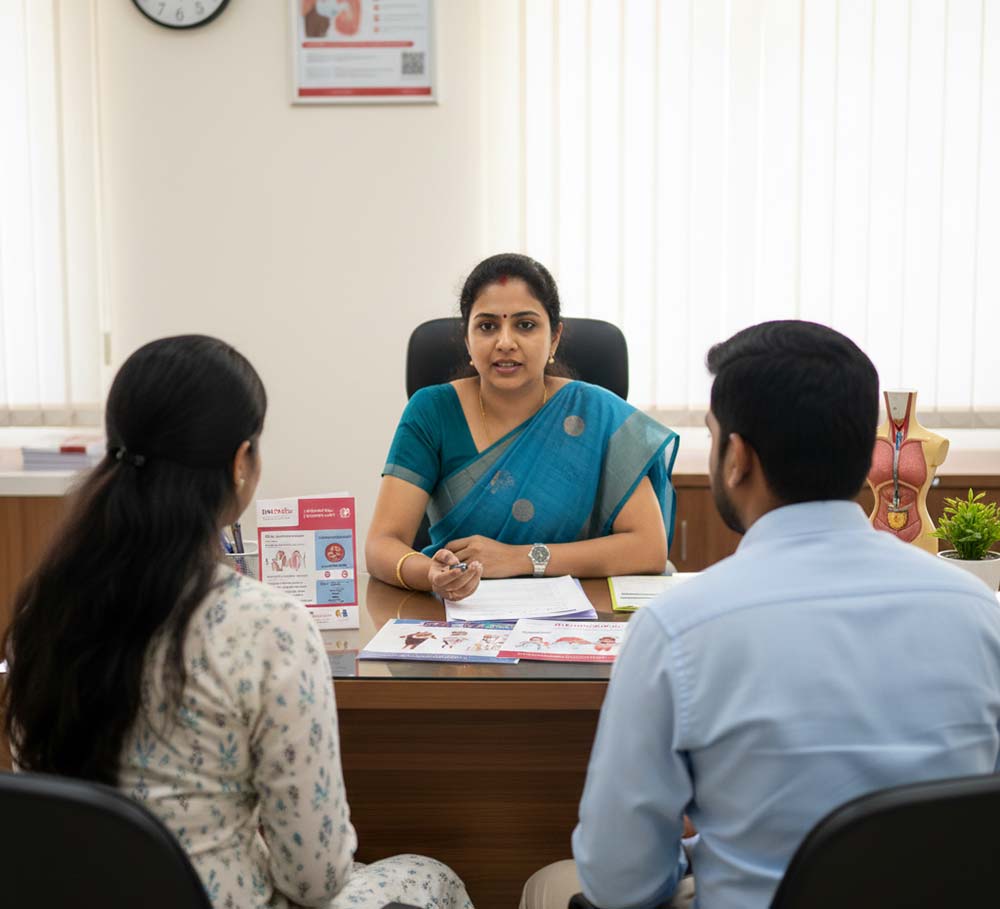 As a gynaecologist, I often meet women who have stopped or avoided contraception because of fear. Fear of side effects, infertility and judgment. Most of these fears come from misinformation, not experience. In consultations, this shift from fear to clarity is something I see often
I came in thinking I would be judged for not knowing enough. Instead, I felt heard. The counselling helped me understand my options calmly, without pressure. For the first time, I felt confident that the decision was truly mine
This sense of reassurance is not accidental. It is the outcome of structured, empathetic counselling
What Happens During Meaningful Counseling
Doctor guided contraception allows space for real conversation. It includes listening as much as advising.
Counselling helps by:
- Clarifying medical suitability: Age, weight, medical history, menstrual patterns, and future pregnancy plans all matter when choosing a method.
- Discussing benefits and side effects honestly: Knowing what is normal and what needs review prevents unnecessary panic and early discontinuation.
- Explaining reversibility and timelines: Understanding how quickly fertility returns after stopping a method reassures many women.
- Supporting shared decision making: When appropriate, involving partners helps reduce pressure placed solely on women.
Informed contraceptive choice is rarely immediate. It often evolves through discussion, reflection, and follow-up. Counseling gives women permission to ask questions without fear.
From clinical experience, women who receive proper counselling are more satisfied with their choice and more likely to continue using contraception correctly.
Counseling Across Different Life Stages
Reproductive health needs are not the same for every woman. Family planning counseling services must adapt to age, life stage, and personal circumstances.
Young and Newly Married Women
Many young women seek contraception primarily for spacing or cycle regulation. Their concerns often revolve around safety, future fertility, and social expectations.
Counseling at this stage focuses on reassurance, education, and privacy. Clear explanations help prevent myths from shaping early reproductive decisions.
Women Planning or Completing Their Families
For women who already have children or feel their family is complete, counseling often shifts toward long-term or permanent options. These decisions carry emotional weight and require careful discussion.
A doctor’s role here is to ensure that choices are made without pressure, with full understanding of permanence and alternatives.
Women With Medical Conditions
Women with diabetes, hypertension, thyroid disorders, or previous pregnancy complications need tailored guidance. Reproductive healthcare access must include specialised counselling to balance safety with effectiveness.
In all stages, respectful communication builds trust. When women feel understood, they are more open about concerns that truly influence their choices.
Bridging Gaps in Reproductive Healthcare Access
Access to contraception improves when systems support both availability and guidance. Technology, community programs, and awareness efforts all play a role in expanding reach.
Digital and Tele-Counseling Support
Tele-consultations have become an important tool in improving contraceptive counseling access. They help women seek advice privately, especially when travel or social constraints exist.
Digital platforms allow:
- Flexible appointment scheduling.
- Reduced travel and time costs.
- Greater privacy for sensitive discussions.
However, digital care works best when backed by qualified doctors and clear follow-up pathways.

reproductive healthcare access
Community and Institutional Support
Reproductive healthcare access strengthens when counselling is integrated into schools, workplaces, and primary health systems.
Counselling desks in colleges, workplace health programs, and community clinics help normalise conversations around contraception. Trained health workers also play a crucial role in reaching women who may not seek care independently.
Addressing Stigma Through Awareness
Awareness is not just about information. It is about changing attitudes.
Open discussions, educational workshops, and doctor-led communication help women understand that seeking contraceptive advice is responsible, not shameful. When stigma reduces, access improves naturally.
 What Counseling Truly Gives Women
Beyond information, counseling provides clarity. It replaces fear with understanding and hesitation with confidence.
- Goal clarity: Women align contraceptive choices with their health and life plans.
- Emotional reassurance: Knowing that doubts are normal reduces stress and guilt.
- Practical decision support: Comparing options logically helps women feel in control.
- Resilience and adaptability: Counseling prepares women to adjust choices if needs change.
Without saying a feeling is generated in her mind
We feel calmer. We feel aligned. We feel informed
I often see women leave consultations visibly lighter than when they arrived. The relief does not come from a prescription alone, but from being heard.
Also Read:
- Natural Family Planning and Emergency Contraception Explained
- How Hormonal and Barrier Contraceptives Work
- Abortion Laws in India: What Every Woman Should Know
Moving Toward Confident, Informed Decisions
Contraceptive counseling access sits at the heart of empowered reproductive health. When women can reach trusted medical guidance without fear or barriers, they make decisions that protect both their physical and emotional wellbeing.
Access to contraception must always be paired with respectful counselling. Availability without guidance leads to confusion. Guidance without access leads to frustration. Together, they create confidence.
As a gynaecologist, I believe that every woman deserves clear answers, dignity, and choice. When counseling is compassionate and accessible, reproductive decisions stop feeling overwhelming and start feeling empowering.
If you are unsure, hesitant, or confused about contraception, seeking doctor-guided advice is not a weakness. It is an informed step toward caring for your health and future.
Our Digital Imprints:
Dr. Madhu Goel
Senior Consultant Obstetrician and Gynaecologist
Director, Fortis La Femme
I am passionate about women’s health and believe that informed, compassionate care empowers women to make confident choices. With experience in high-risk pregnancies, infertility, and gynaecological care, my focus remains on guiding patients with clarity, empathy, and trust.
Stay informed with Health Hub, my newsletter dedicated to women’s health and wellness, where I share evidence-based insights and practical guidance.
You can also connect with me on Instagram | Facebook | LinkedIn for regular updates on women’s health.